
Antiarrhythmic Medications Part 1 – Test Prep and Practice Pearls

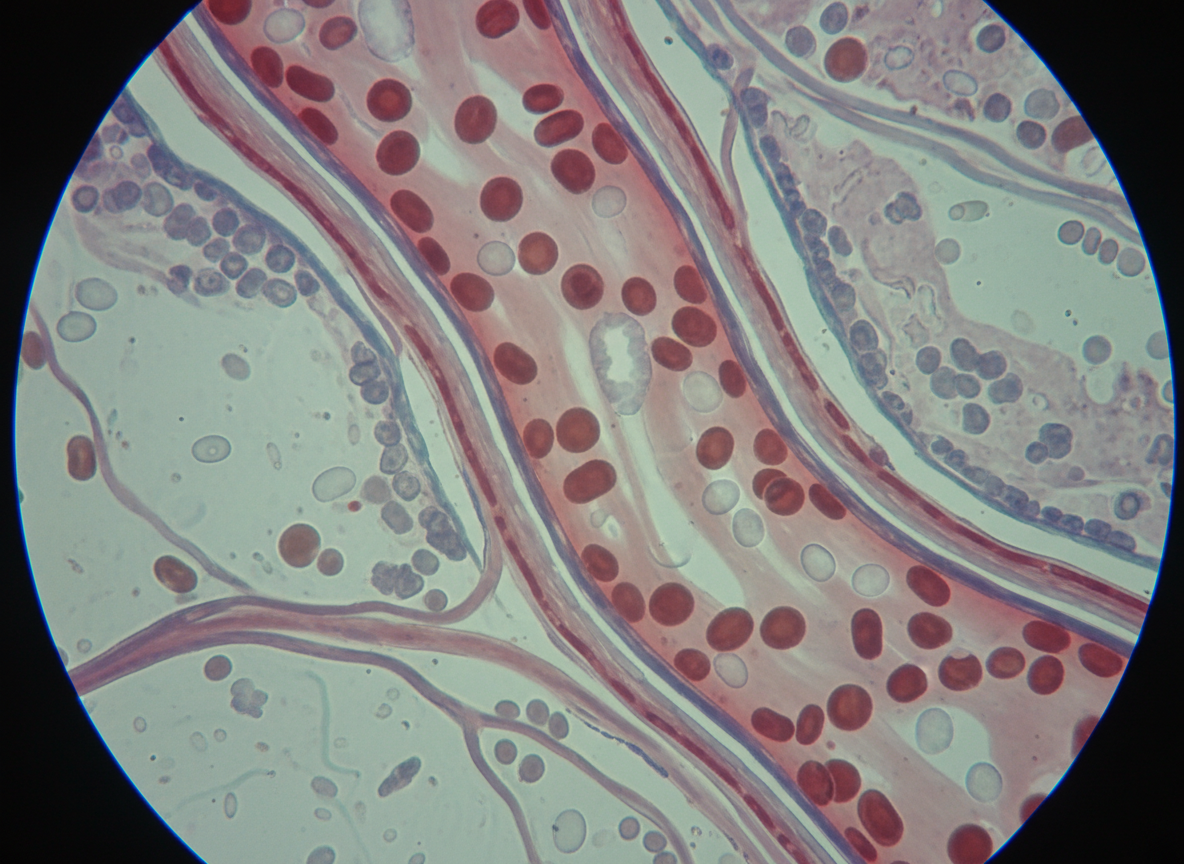
Antiarrhythmic medications are some of the most complex and high-risk drugs pharmacists encounter in clinical practice. In this episode, we break down the most important concepts pharmacists need to understand about antiarrhythmics, including the major drug classes and the clinical situations where these medications are commonly used.

A major focus of the discussion is medication safety. Many antiarrhythmics carry risks such as QT prolongation, proarrhythmia, and significant drug–drug interactions. Pharmacists play a critical role in identifying these risks, monitoring electrolytes and ECG changes, and recognizing situations where therapy adjustments are necessary. We also highlight why certain medications require inpatient initiation and careful monitoring.

The episode also covers practical clinical pearls, including the unique toxicity profile and interaction potential of amiodarone, how to think about rate control versus rhythm control strategies in atrial fibrillation, and the most common medication-related problems pharmacists should watch for. Whether practicing in ambulatory care, hospital, or long-term care settings, understanding antiarrhythmics can help pharmacists prevent serious complications and improve patient outcomes.

Be sure to check out our free Top 200 study guide – a 31 page PDF that is yours for FREE!

Support The Podcast and Check Out These Amazing Resources!

NAPLEX Study Materials

BCPS Study Materials

BCACP Study Materials

BCGP Study Materials

BCMTMS Study Materials

Meded101 Guide to Nursing Pharmacology (Amazon Highly Rated)

Guide to Drug Food Interactions (Amazon Best Seller)
Pharmacy Technician Study Guide by Meded101

Antiplatelet Agents: P2Y12 Inhibitors – Test Prep and Practice Pearls

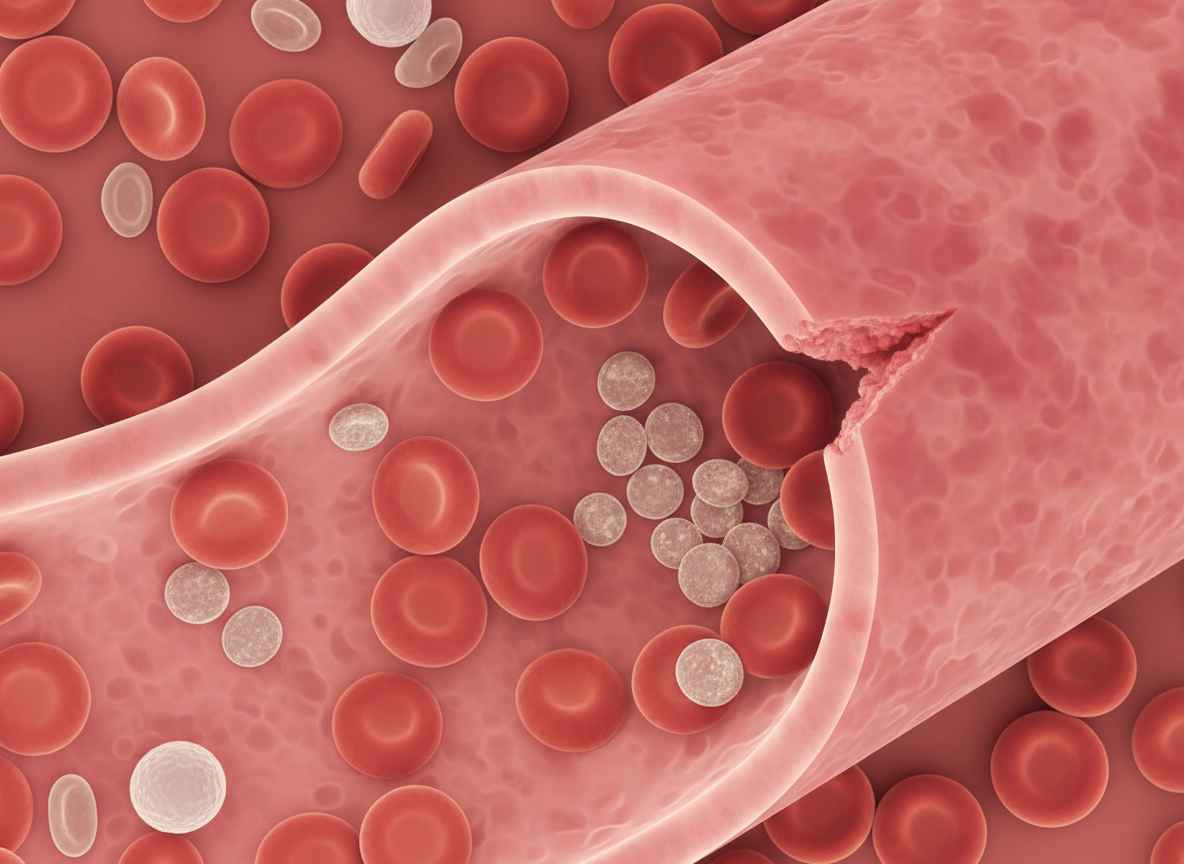
P2Y12 inhibitors are a cornerstone of antiplatelet therapy in cardiovascular disease. These agents block the P2Y12 receptor on platelets, preventing ADP-mediated activation and reducing platelet aggregation. By inhibiting this amplification pathway, they help prevent arterial thrombosis in conditions such as acute coronary syndrome, percutaneous coronary intervention, stroke, and peripheral artery disease. The most commonly used oral agents include clopidogrel, prasugrel, and ticagrelor, each with important pharmacokinetic and clinical differences that influence agent selection.

From a pharmacist’s perspective, choosing the right P2Y12 inhibitor requires balancing ischemic benefit with bleeding risk. Clopidogrel requires CYP2C19 activation and is subject to drug interactions and genetic variability. Prasugrel provides more potent inhibition but carries a higher bleeding risk and is contraindicated in patients with prior stroke or TIA. Ticagrelor offers reversible inhibition but comes with unique considerations such as dyspnea and drug interactions via CYP3A4. Understanding these nuances allows pharmacists to optimize dual antiplatelet therapy and improve patient outcomes.

Be sure to check out our free Top 200 study guide – a 31 page PDF that is yours for FREE!

Support The Podcast and Check Out These Amazing Resources!

NAPLEX Study Materials

BCPS Study Materials

BCACP Study Materials

BCGP Study Materials

BCMTMS Study Materials

Meded101 Guide to Nursing Pharmacology (Amazon Highly Rated)

Guide to Drug Food Interactions (Amazon Best Seller)

Pharmacy Technician Study Guide by Meded101

Miscellanous Cholesterol Agents – Test Prep and Practice Pearls

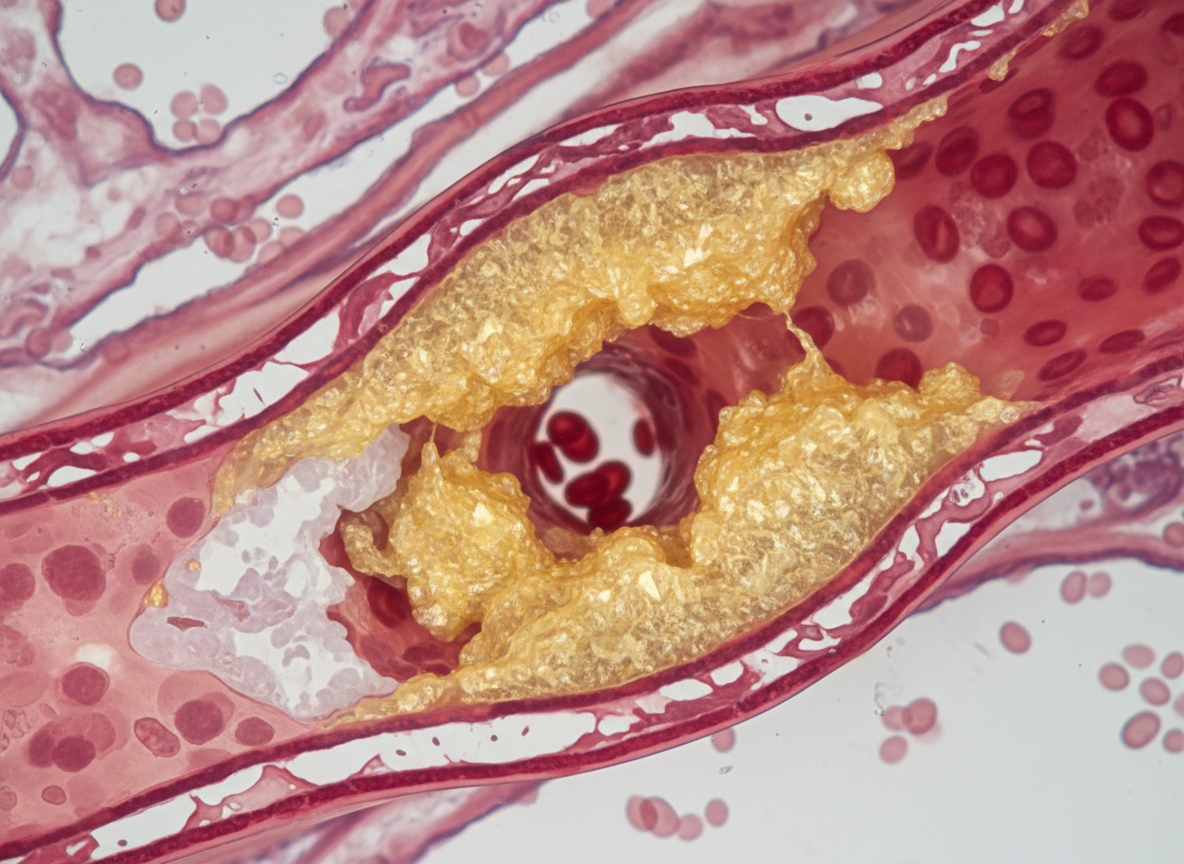
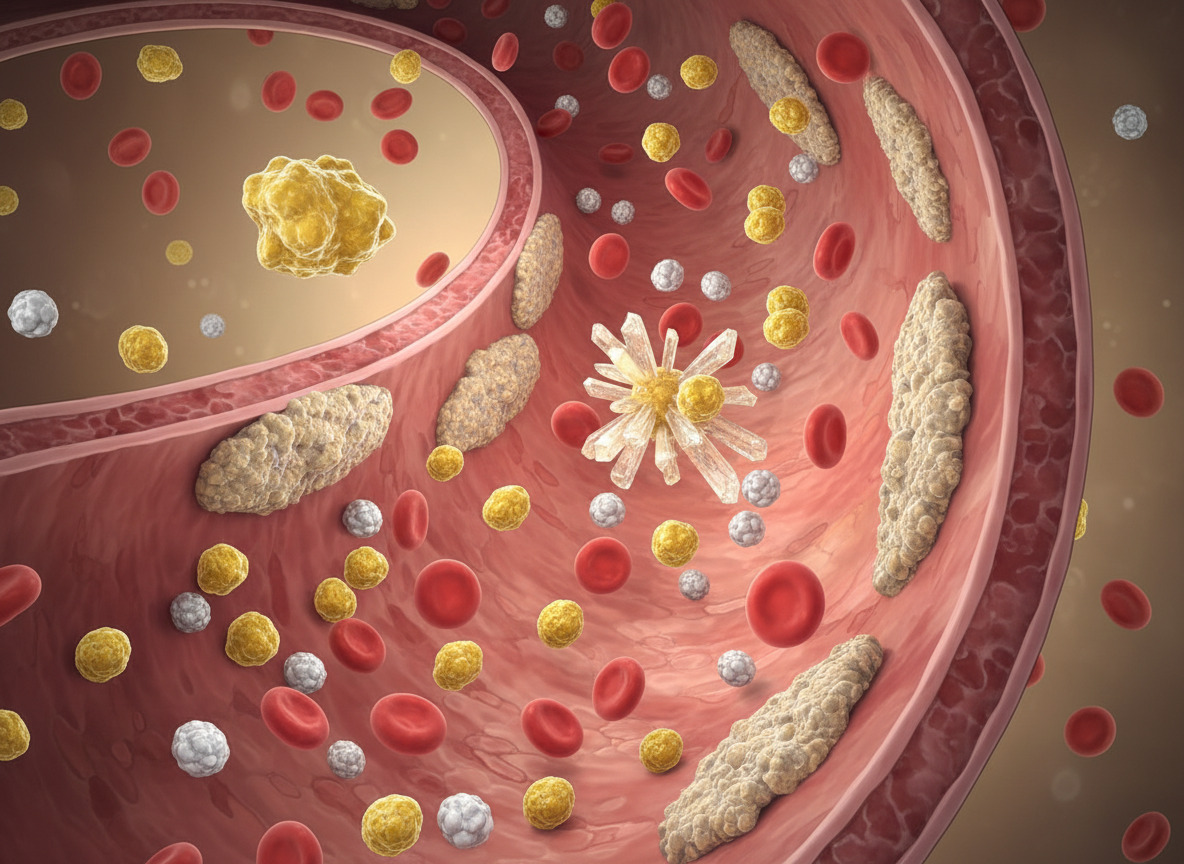
In this episode, we explore several important non-statin cholesterol-lowering therapies, focusing on their mechanisms, clinical uses, and practical considerations for patient care.

We start with bile acid sequestrants, also known as resins, including cholestyramine, colestipol, and colesevelam. These medications lower LDL cholesterol by binding bile acids in the gut, prompting the liver to use more cholesterol to make new bile acids. They are effective for LDL reduction but may cause gastrointestinal side effects and have drug interaction considerations.

Next, we cover niacin (vitamin B3), which can lower LDL and triglycerides while raising HDL cholesterol. While niacin was historically widely used, its role has declined due to flushing, gastrointestinal symptoms, and potential liver toxicity.

Omega-3 fatty acids, including icosapent ethyl (EPA), primarily lower triglycerides and are used in patients with severe hypertriglyceridemia to reduce the risk of pancreatitis. Icosapent ethyl is a purified EPA formulation with evidence of cardiovascular benefit in select high-risk patients.

Finally, we discuss bempedoic acid, a newer oral agent that inhibits ATP-citrate lyase in the liver. Because it is activated only in the liver, bempedoic acid may be useful for patients with statin-associated muscle symptoms. Common adverse effects include elevated uric acid and mild increases in liver enzymes.

This episode highlights how these non-statin agents can be strategically used alone or in combination with other therapies to help patients reach their lipid goals and reduce cardiovascular risk.

Be sure to check out our free Top 200 study guide – a 31 page PDF that is yours for FREE!

Support The Podcast and Check Out These Amazing Resources!

NAPLEX Study Materials

BCPS Study Materials

BCACP Study Materials

BCGP Study Materials

BCMTMS Study Materials

Meded101 Guide to Nursing Pharmacology (Amazon Highly Rated)

Guide to Drug Food Interactions (Amazon Best Seller)
Pharmacy Technician Study Guide by Meded101

Free Nursing Pharmacology Review Course – Hyperlipidemia – Section 2.9

Managing cholesterol is a key part of preventing cardiovascular disease, and nurses are on the front lines of patient care. In this episode, we explore the main cholesterol-lowering medications, including statins, ezetimibe, PCSK9 inhibitors, fibrates, and more. You’ll learn how each medication works, important side effects, lab monitoring, and nursing considerations for safe administration. We’ll also cover strategies for educating patients and supporting long-term adherence. By the end of this episode, you’ll have practical tools to confidently recognize, monitor, and teach about cholesterol medications in everyday nursing practice.

Your support helps me provide more free resources like this! Consider supporting and getting more amazing pharmacology content! Head on over to meded101.com/nurse

Free Nursing Pharmacology Review Course – Heart Failure – Section 2.8

Heart failure management has evolved dramatically, and nurses are central to optimizing outcomes and preventing hospital readmissions. In this episode, we break down the core medication classes used in heart failure, including ACE inhibitors, ARBs, beta blockers, mineralocorticoid receptor antagonists, diuretics, and newer agents like ARNIs and SGLT2 inhibitors. You’ll learn how these medications improve symptoms and survival, key monitoring parameters such as blood pressure, potassium, and renal function, and common adverse effects to watch for. We’ll also review practical bedside considerations and patient education pearls that improve adherence and safety.

Your support helps me provide more free resources like this! Consider supporting and getting more amazing pharmacology content! Head on over to meded101.com/nurse

Free Nursing Pharmacology Review Course – Heparin Type Medications – Section 2.7

Heparin medications are commonly used in hospitals, and nurses play a critical role in ensuring they’re given safely. In this episode, we break down unfractionated heparin and low molecular weight heparins in a practical, easy-to-understand way. We’ll also review dosing considerations, signs of bleeding, and the importance of recognizing heparin-induced thrombocytopenia early. Plus, we’ll cover reversal with protamine and essential patient safety tips. Whether you’re preparing for exams or managing anticoagulation at the bedside, this episode will help you confidently navigate heparin therapy in clinical practice.

Your support helps me provide more free resources like this! Consider supporting and getting more amazing pharmacology content! Head on over to meded101.com/nurse

Free Nursing Pharmacology Review Course – DOACs and Warfarin – Section 2.6

Anticoagulation therapy can feel complex, but nurses play a vital role in keeping patients safe. In this episode, we break down the key differences between warfarin and direct oral anticoagulants (DOACs), including how they work, when they’re used, and what makes each unique. You’ll review important monitoring parameters like INR for warfarin, renal function considerations for DOACs, major drug and food interactions, and bleeding risk assessment. We’ll also cover reversal strategies and practical patient education pearls. Whether you’re preparing for exams or managing patients on anticoagulation, this episode will simplify the essentials and strengthen your confidence in safely caring for patients on warfarin and DOAC therapy.

Your support helps me provide more free resources like this! Consider supporting and getting more amazing pharmacology content! Head on over to meded101.com/nurse

Free Nursing Pharmacology Review Course – Atrial Fibrillation – Section 2.5

Atrial fibrillation is one of the most common cardiac arrhythmias nurses encounter, and understanding its management is essential for safe patient care. In this episode, we break down what atrial fibrillation is, why it increases stroke risk, and how treatment strategies focus on rate control, rhythm control, and anticoagulation. We’ll review common medications, monitoring priorities, and key assessment findings you should never ignore.

Your support helps me provide more free resources like this! Consider supporting and getting more amazing pharmacology content! Head on over to meded101.com/nurse

Free Nursing Pharmacology Review Course – Antiplatelet Medications – Section 2.4

Antiplatelet medications play a critical role in preventing heart attacks and strokes, and nurses are often on the front lines of monitoring their safety and effectiveness. In this episode, we break down key agents like aspirin, P2Y12 inhibitors such as clopidogrel, and other commonly used therapies in a clear, practical way. You’ll learn how these medications work, when they’re indicated, and the most important bleeding risks to watch for. We’ll also review monitoring parameters, perioperative considerations, and patient education pearls that can help prevent complications. By the end of this episode, you’ll feel more confident recognizing adverse effects, educating patients, and safely supporting antiplatelet therapy in everyday practice.

Your support helps me provide more free resources like this! Consider supporting and getting more amazing pharmacology content! Head on over to meded101.com/nurse

Free Nursing Pharmacology Review Course – Hypertension Medication – Section 2.3

Hypertension medications are a cornerstone of nursing practice, and understanding how they work can dramatically improve patient safety and outcomes. In this episode, we break down the major antihypertensive drug classes, including ACE inhibitors, ARBs, beta blockers, calcium channel blockers, and diuretics, in a practical and easy-to-understand way. You’ll learn how each class lowers blood pressure, key monitoring parameters, common side effects, and important nursing considerations. We’ll also cover when to hold medications, what lab values matter most, and how to educate patients to improve adherence.

Your support helps me provide more free resources like this! Consider supporting and getting more amazing pharmacology content! Head on over to meded101.com/nurse