Real Life Examples: Polypharmacy and the Prescribing Cascade Part 2 of 2

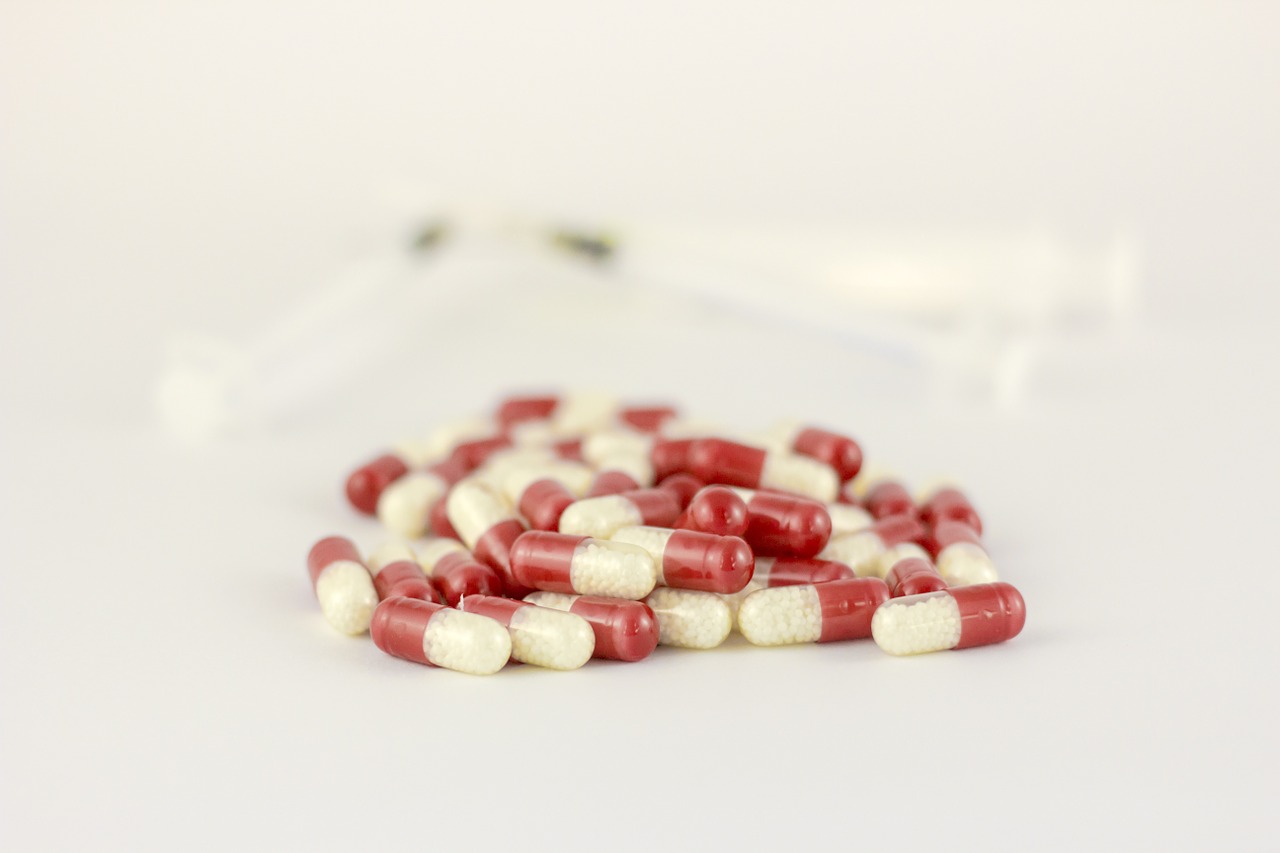
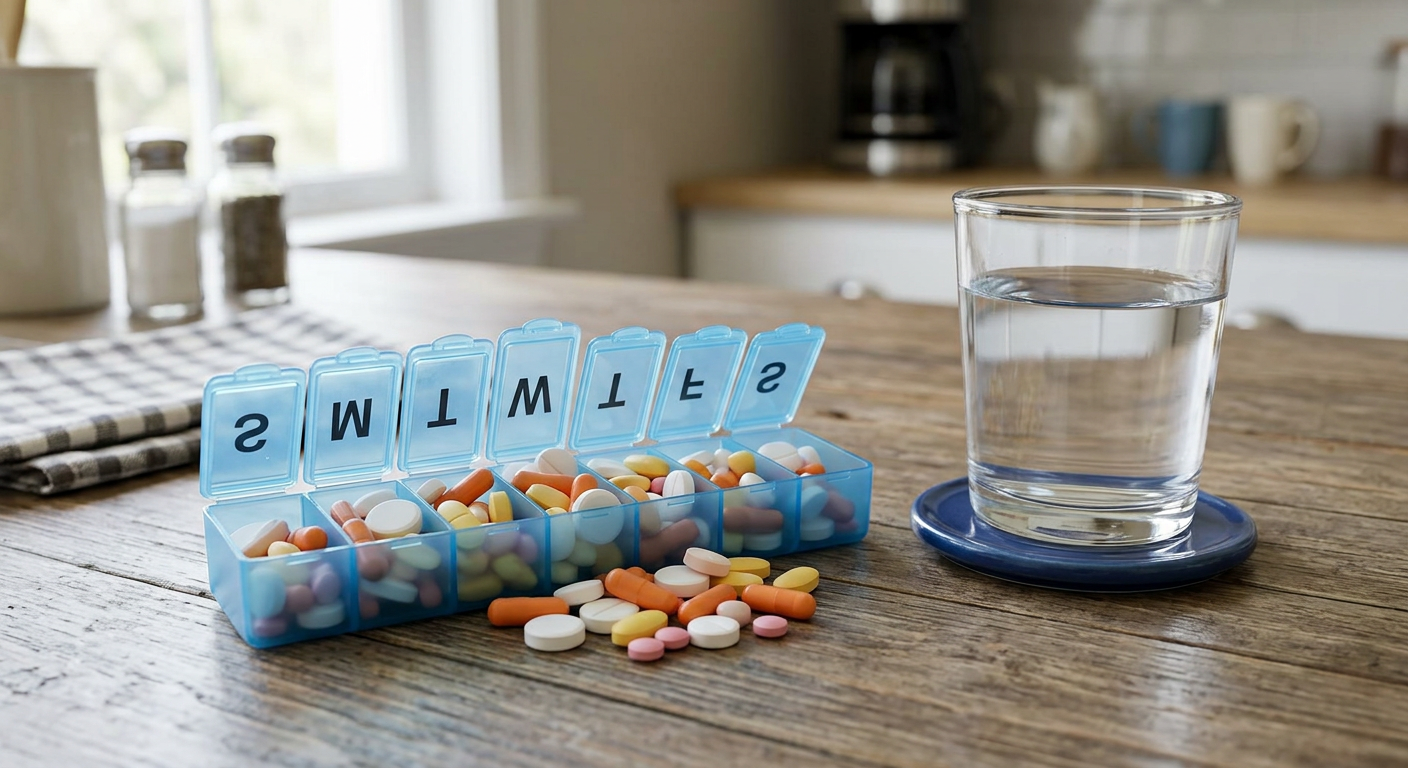
Polypharmacy is one of the most common—and often overlooked—challenges in modern healthcare, especially in older adults. It’s not just about the number of medications a patient is taking, but whether each one still has a clear indication, is providing benefit, and isn’t causing harm. As medication lists grow, so does the risk of adverse effects, drug interactions, and something we see all the time in practice: the prescribing cascade.

A prescribing cascade happens when a medication causes a side effect that is misinterpreted as a new medical condition, leading to the addition of another drug. Over time, this can snowball into unnecessary complexity and increased risk for patients.

In part 2 of this podcast, we outline 5 more examples that I’ve encountered in my geriatric pharmacist practice.

Be sure to check out our free Top 200 study guide – a 31 page PDF that is yours for FREE!

Support The Podcast and Check Out These Amazing Resources!

NAPLEX Study Materials

BCPS Study Materials

BCACP Study Materials

BCGP Study Materials

BCMTMS Study Materials

Meded101 Guide to Nursing Pharmacology (Amazon Highly Rated)

Guide to Drug Food Interactions (Amazon Best Seller)
Pharmacy Technician Study Guide by Meded101

Real Life Examples: Polypharmacy and the Prescribing Cascade Part 1 of 2

Polypharmacy isn’t just about medication count—it’s about cumulative risk and unintended consequences. One of the biggest drivers is the prescribing cascade, where a drug side effect is mistaken for a new condition, and another medication gets added instead of addressing the root cause.

You see this all the time in practice. A patient starts amlodipine and develops edema, then gets placed on furosemide. Or donepezil leads to urinary symptoms, and oxybutynin is added—potentially worsening cognition. These patterns add risk quickly.

In this episode, I’ll break down common examples that I have recently encountered in practice.

Be sure to check out our free Top 200 study guide – a 31 page PDF that is yours for FREE!

Support The Podcast and Check Out These Amazing Resources!

NAPLEX Study Materials

BCPS Study Materials

BCACP Study Materials

BCGP Study Materials

BCMTMS Study Materials

Meded101 Guide to Nursing Pharmacology (Amazon Highly Rated)

Guide to Drug Food Interactions (Amazon Best Seller)

Pharmacy Technician Study Guide by Meded101

Medication Errors – Real Life Examples and Definitions – Part 2

In this section, I cover the most important medication errors you’ll see in practice. I got a good start in Part 1, so go back and listen to that for some great real-life information. In this section, I talk about a few types of medication errors that have led to serious complications and life-threatening situations for our patients. Wrong patient errors are one of the highest risk errors that a healthcare professional can make, and I cover that in this podcast episode.

I hope you find this episode on medication errors helpful, and if you do, I’d greatly appreciate a rating and review on iTunes or whatever platform you listen on – Thanks!

Be sure to check out our free Top 200 study guide – a 31 page PDF that is yours for FREE!

Support The Podcast and Check Out These Amazing Resources!

NAPLEX Study Materials

BCPS Study Materials

BCACP Study Materials

BCGP Study Materials

BCMTMS Study Materials

Meded101 Guide to Nursing Pharmacology (Amazon Highly Rated)

Guide to Drug Food Interactions (Amazon Best Seller)

Pharmacy Technician Study Guide by Meded101

Medication Errors – Real Life Examples and Definitions – Part 1

In this 2 part series, I cover important medication errors, including examples I’ve seen in real life. Some of the error types covered in section 1 include:

  • Prescribing errors
  • Omission errors
  • Monitoring errors
  • Dispensing errors

Be sure to check out our free Top 200 study guide – a 31 page PDF that is yours for FREE!

Support The Podcast and Check Out These Amazing Resources!

NAPLEX Study Materials

BCPS Study Materials

BCACP Study Materials

BCGP Study Materials

BCMTMS Study Materials

Meded101 Guide to Nursing Pharmacology (Amazon Highly Rated)

Guide to Drug Food Interactions (Amazon Best Seller)

Pharmacy Technician Study Guide by Meded101

10 Common Examples of The Prescribing Cascade

One of the most important yet often overlooked concepts in pharmacology is the prescribing cascade. It occurs when a new medication is prescribed to treat a side effect caused by another drug, without realizing that the first medication is the root cause. This leads to a chain reaction of additional prescriptions, unnecessary complexity, and often, new adverse effects.

Prescribing cascades can sneak up on even the most careful clinicians. A patient develops a new symptom after starting a medication—perhaps swelling, dizziness, or urinary changes—and instead of identifying the drug as the culprit, another medication is added to manage the symptom. Over time, this cycle contributes to polypharmacy, drug interactions, and reduced quality of life.

These cascades are particularly concerning in older adults, where multiple comorbidities and high medication counts make it easy for adverse effects to be misinterpreted as new conditions. But they can occur at any age and in any clinical setting.

The key to preventing prescribing cascades is maintaining a critical mindset:

  • Assume any new symptoms could be an adverse effect.
  • Review the timing of medication changes relative to the onset of symptoms.
  • Consider deprescribing or adjusting doses before adding new drugs.
  • Encourage thorough medication reconciliation and communication across providers.

Recognizing and interrupting the prescribing cascade is one of the simplest and most impactful ways we can improve medication safety. In this podcast, I share some of my favorite real-world examples that illustrate just how easily these cascades can happen.

Be sure to check out our free Top 200 study guide – a 31 page PDF that is yours for FREE!

Support The Podcast and Check Out These Amazing Resources!

NAPLEX Study Materials

BCPS Study Materials

BCACP Study Materials

BCGP Study Materials

BCMTMS Study Materials

Meded101 Guide to Nursing Pharmacology (Amazon Highly Rated)

Guide to Drug Food Interactions (Amazon Best Seller)

Pharmacy Technician Study Guide by Meded101

10 Commandments of Polypharmacy Part 2 of 2

clear plastic container and medicine capsule

Today’s sponsor of the 10 Commandments of Polypharmacy podcast is FreedAI. Freed listens, transcribes, and writes medical documentation for you.

FreedAI is offering a discount exclusive to RLP listeners! Users will get $50 off their first month with Freed! Use the discount code: RLPPOD

Here is part 2 of 2 on the final 5 of the 10 commandments of polypharmacy.

6. Thou shalt identify limits for medications not intended for chronic use as well as not continue a medication indefinitely for symptoms that have an expected short duration

7. Thou shalt not start a medication from a similar medication class without appropriate rationale

8. Thou shalt not initiate a medication without considering medications that may treat duplicate conditions – Kill two birds with one stone

9. Thou shalt consider eliminating or reducing medications at every medication review

10. Thou shalt be willing to accept risk in discontinuing a medication if they were willing to accept the risk of initiating a medication

Be sure to check out our free Top 200 study guide – a 31 page PDF that is yours for FREE!

Support The Podcast and Check Out These Amazing Resources!

NAPLEX Study Materials

BCPS Study Materials

BCACP Study Materials

BCGP Study Materials

BCMTMS Study Materials

Meded101 Guide to Nursing Pharmacology (Amazon Highly Rated)

Guide to Drug Food Interactions (Amazon Best Seller)

Pharmacy Technician Study Guide by Meded101

Ten Commandments of Polypharmacy – Part 1

On this special episode, I provide some real-life examples and layout 5 of my 10 commandments of polypharmacy.

Today’s sponsor of the 10 Commandments of Polypharmacy podcast is FreedAI. Freed listens, transcribes, and writes medical documentation for you.

FreedAI is offering a discount exclusive to RLP listeners! Users will get $50 off their first month with Freed! Use the discount code: RLPPOD

Here are the first 5 commandments that are addressed in the podcast.

1. Thou shalt not start, ask for, dispense, or administer medication without reviewing a medication list that is accurate, up to date, and complete with over-the-counter medications and supplements

2. Thou shalt consider utilizing non-drug approaches and interventions to solve patient problems before initiating medication

3. Thou shalt assess if a medication is effective before adding a new medication for the same condition

4. Thou shalt consider any new symptom is an adverse effect of another medication until proved otherwise

5. Thou shalt not start a medication without an appropriate indication and assessing appropriate lab work

Be sure to check out our free Top 200 study guide – a 31 page PDF that is yours for FREE!

Support The Podcast and Check Out These Amazing Resources!

NAPLEX Study Materials

BCPS Study Materials

BCACP Study Materials

BCGP Study Materials

BCMTMS Study Materials

Meded101 Guide to Nursing Pharmacology (Amazon Highly Rated)

Guide to Drug Food Interactions (Amazon Best Seller)

Pharmacy Technician Study Guide by Meded101