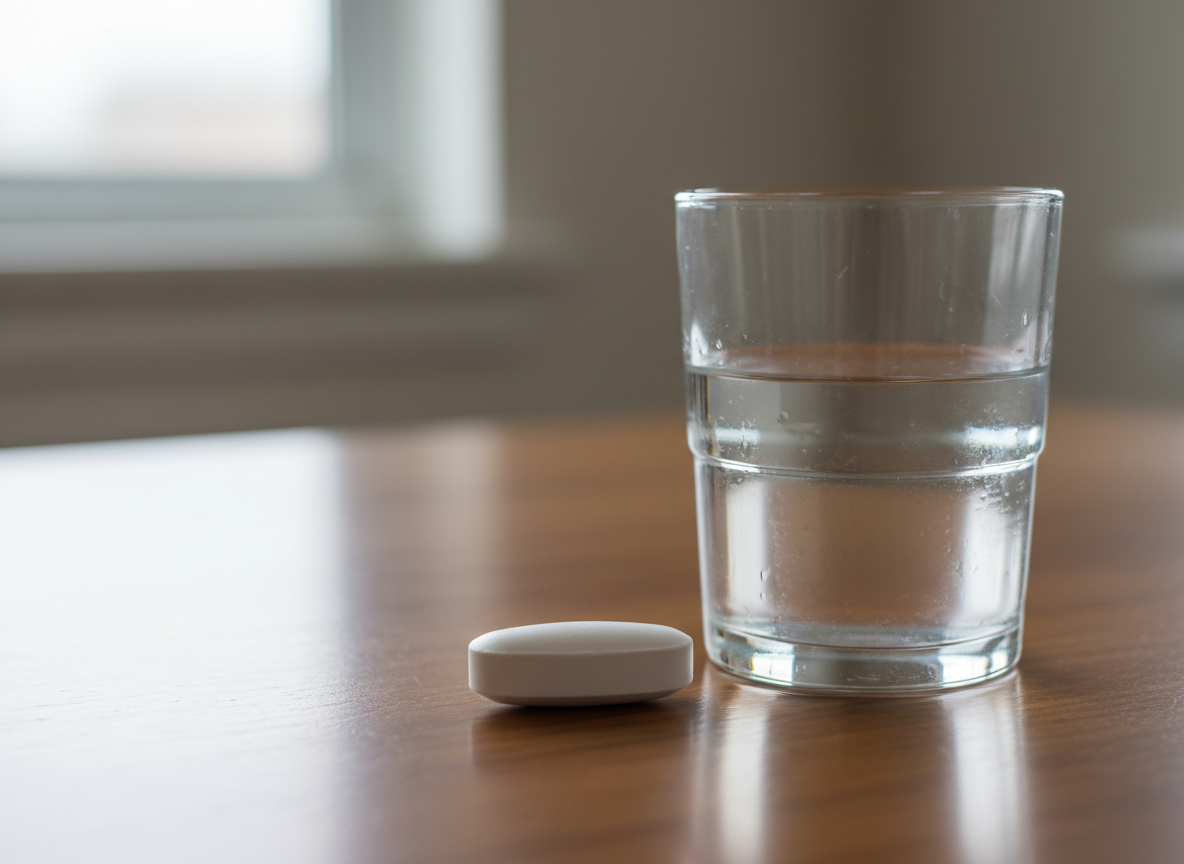

Statin Test Prep and Practice Pearls

On this podcast episode, I discuss important practice pearls and important test prep information about statins. Statins are cornerstone agents for ASCVD risk reduction, so test questions often focus on indication, intensity, and monitoring. Health care professionals should quickly identify statin intensity: high-intensity therapy (atorvastatin 40–80 mg, rosuvastatin 20–40 mg) lowers LDL by ~50% and is indicated for patients with clinical ASCVD, LDL ≥190 mg/dL, or high-risk diabetes patients age 40–75. Moderate-intensity statins (e.g., atorvastatin 10–20 mg, simvastatin 20–40 mg) are commonly tested for primary prevention.

Statin-associated muscle symptoms range from myalgias (most common, normal CK) to rare but serious rhabdomyolysis (marked CK elevation and AKI). Risk factors include high doses, advanced age, hypothyroidism, drug interactions, and renal impairment. If muscle symptoms occur, stopping the statin, ruling out secondary causes (like hypothyroidism), and rechallenging with a lower dose or different statin is often the correct clinical approach.

Drug interactions and statin selection frequently separate good from great test-takers. Lipophilic statins (simvastatin, atorvastatin, lovastatin) are more prone to muscle effects and CYP3A4 interactions, while hydrophilic statins (pravastatin, rosuvastatin) are preferred in patients with prior intolerance or complex drug regimens. Grapefruit juice, strong CYP3A4 inhibitors, and certain calcium channel blockers raise simvastatin levels—often prompting dose limits or avoidance on exams. If LDL goals aren’t met, adding ezetimibe or a PCSK9 inhibitor is the next evidence-based step.

Be sure to check out our free Top 200 study guide – a 31 page PDF that is yours for FREE!

Support The Podcast and Check Out These Amazing Resources!

NAPLEX Study Materials

BCPS Study Materials

BCACP Study Materials

BCGP Study Materials

BCMTMS Study Materials

Meded101 Guide to Nursing Pharmacology (Amazon Highly Rated)

Guide to Drug Food Interactions (Amazon Best Seller)

Pharmacy Technician Study Guide by Meded101

Antihypertensives Part 4 – Nitrates

Welcome to today’s episode, where we’re diving into the world of nitrate medications—one of the cornerstone therapies in cardiovascular care. Whether you’re a pharmacist, nurse, med student, or just curious about how medications keep the heart happy, nitrates are fascinating because of their unique mechanism and versatile clinical uses.

Nitrates work by releasing nitric oxide, a powerful molecule that relaxes smooth muscle and dilates blood vessels. This vasodilation primarily reduces venous return to the heart, lowering preload and myocardial oxygen demand, and at higher doses, can also decrease afterload. For patients with angina, this means less chest pain, improved exercise tolerance, and better quality of life.

In this episode, we’ll cover the most commonly used nitrates—from sublingual nitroglycerin for rapid relief of acute angina, to isosorbide dinitrate and mononitrate for chronic management. We’ll discuss how their formulations, onset, and duration of action affect clinical use, and why concepts like tolerance and nitrate-free intervals are critical to understand.

We’ll also explore important drug interactions, including why combining nitrates with PDE5 inhibitors can be dangerous, and highlight practical tips for patient counseling and monitoring. By the end of this episode, you’ll have a clear picture of how and when nitrates are used, and the key pearls every clinician should know to maximize benefit while minimizing risk.

So whether you’re reviewing for boards, prepping for clinical rotations, or just brushing up on cardiovascular pharmacology, stay tuned—we’re about to break down nitrates in a way that’s simple, practical, and memorable.

Be sure to check out our free Top 200 study guide – a 31 page PDF that is yours for FREE!

Support The Podcast and Check Out These Amazing Resources!

NAPLEX Study Materials

BCPS Study Materials

BCACP Study Materials

BCGP Study Materials

BCMTMS Study Materials

Meded101 Guide to Nursing Pharmacology (Amazon Highly Rated)

Guide to Drug Food Interactions (Amazon Best Seller)

Pharmacy Technician Study Guide by Meded101

Antihypertensives Test Prep and Practice Pearls; Part 3 – Aldosterone Antagonists and Vasodilators

Aldosterone antagonists, such as spironolactone and eplerenone, are potassium-sparing diuretics that block aldosterone at the mineralocorticoid receptor in the distal nephron. By reducing sodium and water reabsorption while conserving potassium, they play a key role in heart failure, resistant hypertension, and primary hyperaldosteronism. Clinically, they improve mortality in heart failure with reduced ejection fraction, making them much more than just “add-on” diuretics.

From a safety standpoint, the biggest concerns with aldosterone antagonists are hyperkalemia and renal function decline. These risks increase in patients with chronic kidney disease or when combined with ACE inhibitors, ARBs, or potassium supplements. Spironolactone can also cause endocrine-related adverse effects such as gynecomastia and menstrual irregularities, which is why eplerenone may be preferred in some patients.

Direct-acting vasodilators, most notably hydralazine and minoxidil, lower blood pressure by relaxing arteriolar smooth muscle and reducing systemic vascular resistance. Hydralazine is commonly used in heart failure in combination with nitrates, particularly in select patient populations, while minoxidil is reserved for severe, refractory hypertension due to its potency.

Despite their effectiveness, direct-acting vasodilators come with important clinical trade-offs. Reflex tachycardia and fluid retention are common, so they are typically prescribed alongside a beta blocker and a diuretic. Hydralazine is associated with drug-induced lupus, while minoxidil can cause significant edema and hypertrichosis, making careful patient selection and monitoring essential.

Be sure to check out our free Top 200 study guide – a 31 page PDF that is yours for FREE!

Support The Podcast and Check Out These Amazing Resources!

NAPLEX Study Materials

BCPS Study Materials

BCACP Study Materials

BCGP Study Materials

BCMTMS Study Materials

Meded101 Guide to Nursing Pharmacology (Amazon Highly Rated)

Guide to Drug Food Interactions (Amazon Best Seller)

Pharmacy Technician Study Guide by Meded101

Antihypertensives Test Prep and Practice Pearls; Part 2 – ARBs and Thiazides

This podcast is designed to help pharmacy and nursing learners cut through the noise and focus on the high-yield concepts that matter most when it comes to angiotensin receptor blockers (ARBs) and thiazide diuretics. These two medication classes show up constantly on exams and in clinical practice, yet small details about their mechanisms, adverse effects, and monitoring parameters are often where test questions try to trip you up. Each episode is built to reinforce those key points in a clear, practical way.

We’ll break down how ARBs and thiazide diuretics work, why they are commonly used in hypertension and other disease states, and how to quickly differentiate them from similar drug classes. Special attention is given to classic exam “gotchas,” such as electrolyte changes, renal considerations, and patient populations where these medications are especially beneficial or should be used with caution.

Beyond test prep, this podcast emphasizes real-world practice pearls that translate directly to patient care. You’ll hear concise explanations of what to monitor, what side effects matter most clinically, and how to recognize problems early. These insights are especially helpful for nurses, pharmacy students, and new clinicians who want to feel confident applying pharmacology knowledge at the bedside or in clinic.

Whether you’re studying for boards, preparing for a pharmacology exam, or just looking to sharpen your clinical skills, this podcast delivers focused, high-yield content in an easy-to-follow format. By the end of each episode, you’ll walk away with practical takeaways that improve both your test performance and your day-to-day medication management.

Be sure to check out our free Top 200 study guide – a 31 page PDF that is yours for FREE!

Support The Podcast and Check Out These Amazing Resources!

NAPLEX Study Materials

BCPS Study Materials

BCACP Study Materials

BCGP Study Materials

BCMTMS Study Materials

Meded101 Guide to Nursing Pharmacology (Amazon Highly Rated)

Guide to Drug Food Interactions (Amazon Best Seller)

Pharmacy Technician Study Guide by Meded101

Antihypertensives Test Prep and Practice Pearls; Part 1 – ACEIs and CCBs

Welcome to today’s episode, where we dive into two cornerstone classes of antihypertensives: ACE inhibitors and calcium channel blockers. These drugs are among the most frequently prescribed agents in both primary care and specialty settings, making a solid understanding of their practical nuances essential for clinicians, pharmacists, and learners alike. In this episode, we’ll break down the most important clinical pearls that can immediately improve your prescribing confidence and patient care.

We’ll start with ACE inhibitors, a class often selected for patients with hypertension, heart failure, diabetes, and chronic kidney disease. While widely effective, ACE inhibitors come with monitoring requirements and predictable side effect profiles that clinicians must recognize early. We’ll highlight what changes in renal function are acceptable, how to navigate issues like hyperkalemia and cough, and when switching to an ARB may be the safest option.

Next, we’ll move into calcium channel blockers, emphasizing the differences between dihydropyridines and non-dihydropyridines—two groups with distinct effects and unique considerations. I outline amlodipine’s adverse effects and how to navigate a patient who is experiencing edema.

By the end of this episode, you’ll walk away with a set of high-yield, easy-to-apply pearls that you can use in your next patient encounter. If you use antihypertensives and treat hypertension, heart failure, arrhythmias, or chronic kidney disease, this episode will help sharpen your understanding of these foundational therapies and elevate your medication management strategies. Let’s get started.

Be sure to check out our free Top 200 study guide – a 31 page PDF that is yours for FREE!

Support The Podcast and Check Out These Amazing Resources!

NAPLEX Study Materials

BCPS Study Materials

BCACP Study Materials

BCGP Study Materials

BCMTMS Study Materials

Meded101 Guide to Nursing Pharmacology (Amazon Highly Rated)

Guide to Drug Food Interactions (Amazon Best Seller)

Pharmacy Technician Study Guide by Meded101

Midodrine Pharmacology Podcast

Midodrine is an oral alpha-1 agonist most commonly used for the treatment of symptomatic orthostatic hypotension. Its mechanism of action is through peripheral vasoconstriction, which helps increase blood pressure. Because of its short duration of action, it is typically dosed three times daily, with the last dose recommended in the late afternoon to reduce the risk of hypertension at night.

Clinically, midodrine is often considered when non-pharmacologic strategies for orthostatic hypotension (such as increased salt/fluid intake, compression stockings, or physical counter-maneuvers) are not enough. Pharmacists should also be aware of prescribing cascades—such as urinary retention leading to tamsulosin initiation—that can arise when midodrine is used.

Midodrine is generally not metabolized through cytochrome P450 pathways, so significant drug–drug interactions are less common. However, caution should be exercised with other agents that can raise blood pressure (like decongestants) or slow the heart rate (such as beta-blockers). Monitoring parameters include blood pressure, pulse, symptoms of urinary retention, and the patient’s overall response to therapy.

Be sure to check out our free Top 200 study guide – a 31 page PDF that is yours for FREE!

Support The Podcast and Check Out These Amazing Resources!

NAPLEX Study Materials

BCPS Study Materials

BCACP Study Materials

BCGP Study Materials

BCMTMS Study Materials

Meded101 Guide to Nursing Pharmacology (Amazon Highly Rated)

Guide to Drug Food Interactions (Amazon Best Seller)

Pharmacy Technician Study Guide by Meded101

Quinapril Pharmacology

On this podcast episode, I discuss quinapril pharmacology, adverse effects, drug interactions, pharmacokinetics, and much more.

Quinapril is a prodrug that is converted in the liver to its active metabolite, quinaprilat, which inhibits ACE, leading to decreased formation of angiotensin II and reduced aldosterone secretion.

Hyperkalemia can occur with quinapril use due to decreased aldosterone, leading to potassium retention—especially in patients with renal impairment.

Concomitant use of potassium-sparing diuretics or potassium supplements with quinapril increases the risk of hyperkalemia.

NSAIDs may reduce the antihypertensive effect of quinapril and increase the risk of nephrotoxicity, especially in patients with preexisting renal dysfunction.

Be sure to check out our free Top 200 study guide – a 31 page PDF that is yours for FREE!

Support The Podcast and Check Out These Amazing Resources!

NAPLEX Study Materials

BCPS Study Materials

BCACP Study Materials

BCGP Study Materials

BCMTMS Study Materials

Meded101 Guide to Nursing Pharmacology (Amazon Highly Rated)

Guide to Drug Food Interactions (Amazon Best Seller)

Pharmacy Technician Study Guide by Meded101

Nifedipine Pharmacology

Nifedipine is a dihydropyridine calcium channel blocker that selectively inhibits L-type calcium channels in vascular smooth muscle, leading to vasodilation and reduced peripheral vascular resistance.

The extended-release formulation of nifedipine provides more stable plasma concentrations and is preferred for chronic management of hypertension and angina.

Common adverse effects include headache, flushing, peripheral edema, and dizziness, all related to its vasodilatory action.

Nifedipine undergoes extensive first-pass metabolism in the liver, primarily via CYP3A4 enzymes, which significantly influences its bioavailability and potential drug interactions.

CYP3A4 inhibitors (e.g., ketoconazole, erythromycin, grapefruit juice) can increase plasma levels of nifedipine, raising the risk of hypotension and adverse effects.

Be sure to check out our free Top 200 study guide – a 31 page PDF that is yours for FREE!

Support The Podcast and Check Out These Amazing Resources!

NAPLEX Study Materials

BCPS Study Materials

BCACP Study Materials

BCGP Study Materials

BCMTMS Study Materials

Meded101 Guide to Nursing Pharmacology (Amazon Highly Rated)

Guide to Drug Food Interactions (Amazon Best Seller)

Pharmacy Technician Study Guide by Meded101

Irbesartan Pharmacology

Irbesartan is an angiotensin II receptor blocker (ARB) used primarily for the management of hypertension and diabetic nephropathy in type 2 diabetes.

It selectively inhibits the binding of angiotensin II to the AT1 receptor found in vascular smooth muscle and the adrenal gland. This blockade results in vasodilation, reduced aldosterone secretion, decreased sodium and water retention, and ultimately lower blood pressure.

Irbesartan is administered orally, with a typical starting dose of 150 mg once daily, which may be increased to 300 mg depending on the patient’s clinical response and tolerability.

Adverse effects of irbesartan are generally mild but can include hyperkalemia and dizziness. Hypotension may occur, especially in volume-depleted individuals or those on diuretics.

Routine monitoring of renal function and serum potassium is recommended, especially in patients with underlying kidney disease or those taking potassium-sparing agents or supplements.

Irbesartan is contraindicated in pregnancy due to the risk of fetal toxicity and should be discontinued as soon as pregnancy is detected.

Support The Podcast and Check Out These Amazing Resources!

NAPLEX Study Materials

BCPS Study Materials

BCACP Study Materials

BCGP Study Materials

BCMTMS Study Materials

Meded101 Guide to Nursing Pharmacology (Amazon Highly Rated)

Guide to Drug Food Interactions (Amazon Best Seller)

Pharmacy Technician Study Guide by Meded101

Be sure to check out our free Top 200 study guide – a 31 page PDF that is yours for FREE!

Minoxidil Pharmacology

Today’s sponsor is Freed AI! Freed’s AI medical scribe listens, transcribes, and writes notes for you. Over 15,000 healthcare professionals use Freed and you should too! Learn more here!

On this episode of the Real Life Pharmacology Podcast, we cover minoxidil pharmacology, adverse effects, drug interactions, and much more.

Minoxidil is a potent arterial vasodilator used in the treatment of hypertension and androgenetic alopecia.

The route of administration greatly impacts the drug’s safety profile. Oral minoxidil is typically reserved for refractory hypertension due to its strong systemic effects and associated risks.

Topical formulations (2% or 5%) are widely used for hair regrowth, offering local benefits with minimal systemic absorption.

Systemic minoxidil can result in fluid retention, tachycardia, and even pericardial effusion, often requiring co-administration with a diuretic and beta-blocker.

Be sure to check out our free Top 200 study guide – a 31 page PDF that is yours for FREE!

Support The Podcast and Check Out These Amazing Resources!

NAPLEX Study Materials

BCPS Study Materials

BCACP Study Materials

BCGP Study Materials

BCMTMS Study Materials

Meded101 Guide to Nursing Pharmacology (Amazon Highly Rated)

Guide to Drug Food Interactions (Amazon Best Seller)

Pharmacy Technician Study Guide by Meded101