
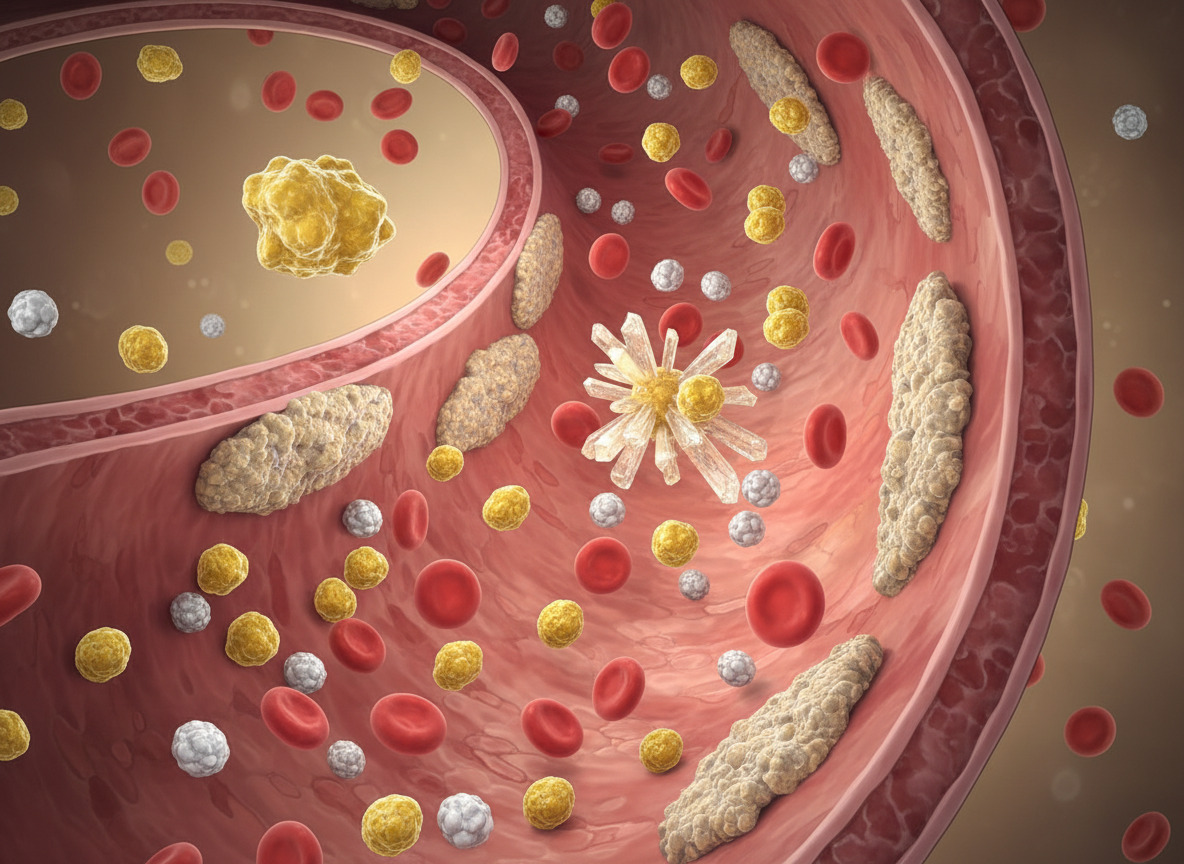
Free Nursing Pharmacology Review Course – Hyperlipidemia – Section 2.9

Managing cholesterol is a key part of preventing cardiovascular disease, and nurses are on the front lines of patient care. In this episode, we explore the main cholesterol-lowering medications, including statins, ezetimibe, PCSK9 inhibitors, fibrates, and more. You’ll learn how each medication works, important side effects, lab monitoring, and nursing considerations for safe administration. We’ll also cover strategies for educating patients and supporting long-term adherence. By the end of this episode, you’ll have practical tools to confidently recognize, monitor, and teach about cholesterol medications in everyday nursing practice.

Your support helps me provide more free resources like this! Consider supporting and getting more amazing pharmacology content! Head on over to meded101.com/nurse

Free Nursing Pharmacology Review Course – Heart Failure – Section 2.8

Heart failure management has evolved dramatically, and nurses are central to optimizing outcomes and preventing hospital readmissions. In this episode, we break down the core medication classes used in heart failure, including ACE inhibitors, ARBs, beta blockers, mineralocorticoid receptor antagonists, diuretics, and newer agents like ARNIs and SGLT2 inhibitors. You’ll learn how these medications improve symptoms and survival, key monitoring parameters such as blood pressure, potassium, and renal function, and common adverse effects to watch for. We’ll also review practical bedside considerations and patient education pearls that improve adherence and safety.

Your support helps me provide more free resources like this! Consider supporting and getting more amazing pharmacology content! Head on over to meded101.com/nurse
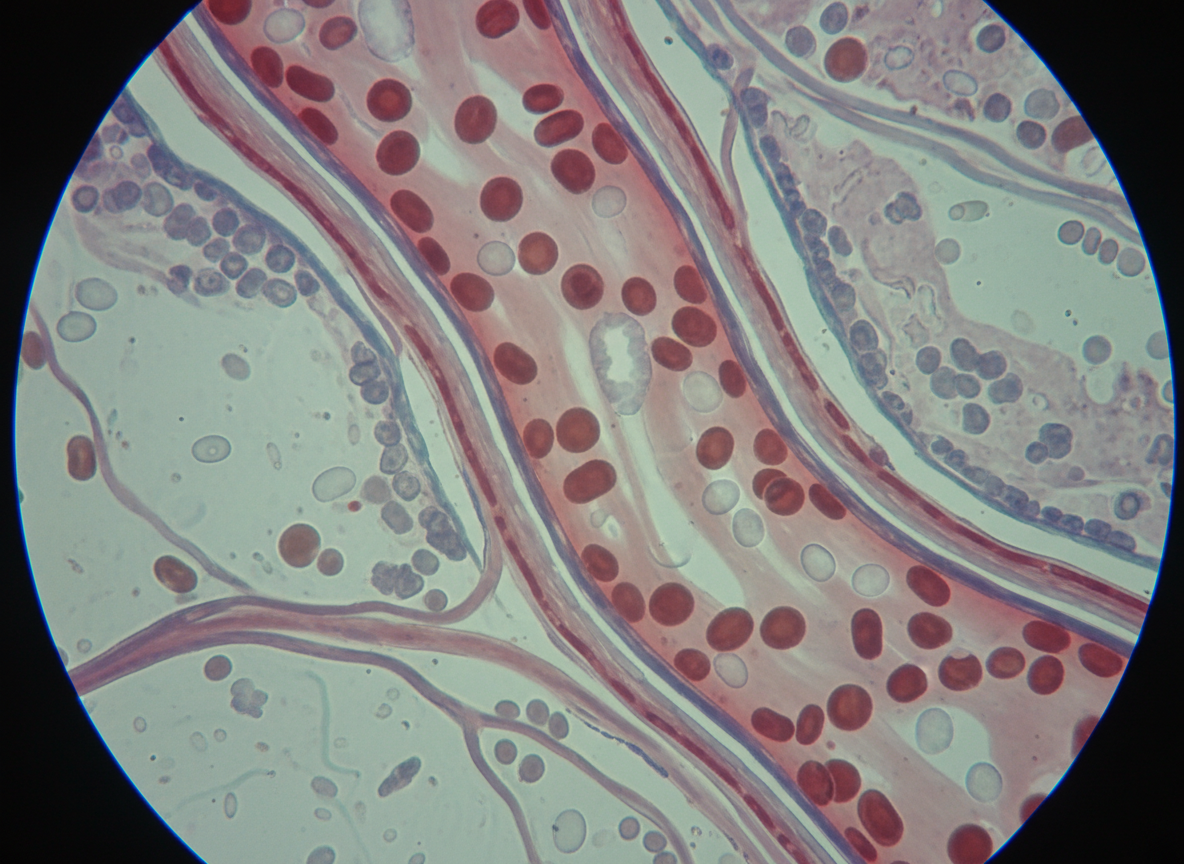
Free Nursing Pharmacology Review Course – Heparin Type Medications – Section 2.7

Heparin medications are commonly used in hospitals, and nurses play a critical role in ensuring they’re given safely. In this episode, we break down unfractionated heparin and low molecular weight heparins in a practical, easy-to-understand way. We’ll also review dosing considerations, signs of bleeding, and the importance of recognizing heparin-induced thrombocytopenia early. Plus, we’ll cover reversal with protamine and essential patient safety tips. Whether you’re preparing for exams or managing anticoagulation at the bedside, this episode will help you confidently navigate heparin therapy in clinical practice.

Your support helps me provide more free resources like this! Consider supporting and getting more amazing pharmacology content! Head on over to meded101.com/nurse
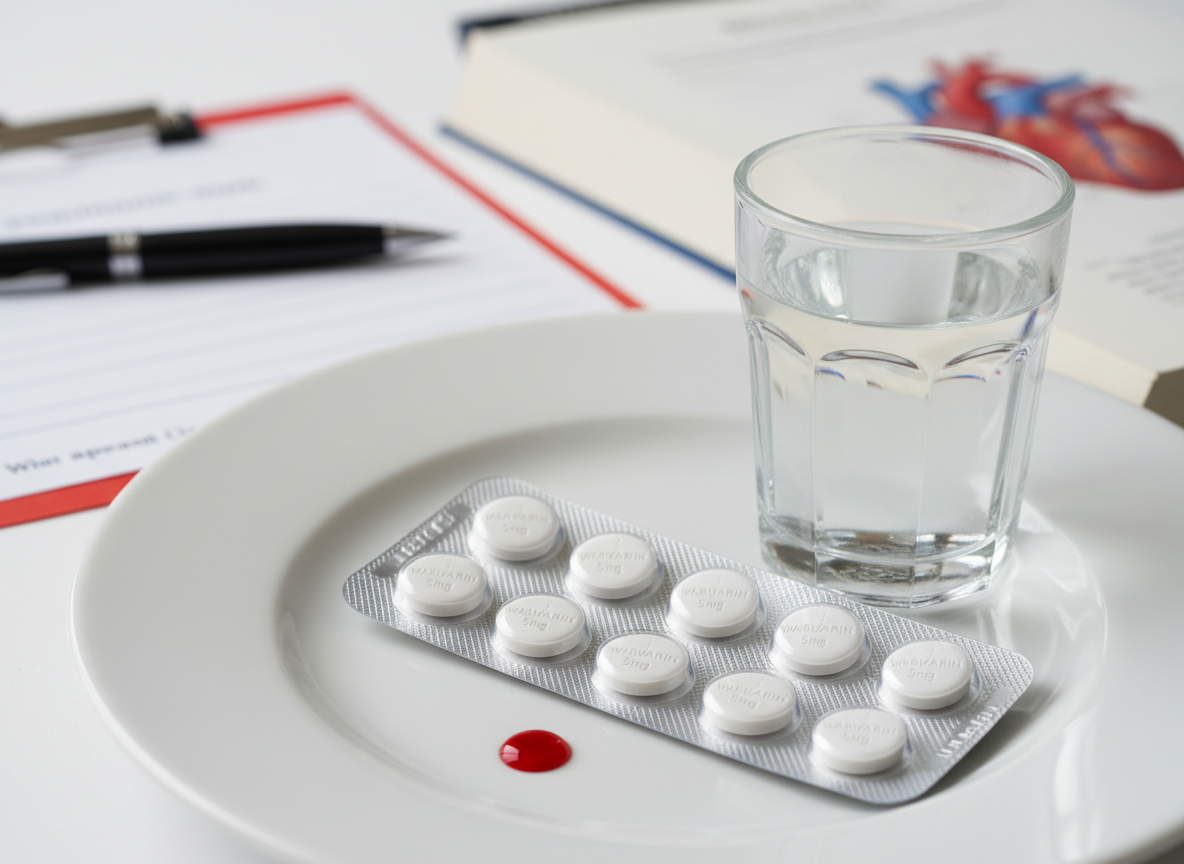
Free Nursing Pharmacology Review Course – DOACs and Warfarin – Section 2.6

Anticoagulation therapy can feel complex, but nurses play a vital role in keeping patients safe. In this episode, we break down the key differences between warfarin and direct oral anticoagulants (DOACs), including how they work, when they’re used, and what makes each unique. You’ll review important monitoring parameters like INR for warfarin, renal function considerations for DOACs, major drug and food interactions, and bleeding risk assessment. We’ll also cover reversal strategies and practical patient education pearls. Whether you’re preparing for exams or managing patients on anticoagulation, this episode will simplify the essentials and strengthen your confidence in safely caring for patients on warfarin and DOAC therapy.

Your support helps me provide more free resources like this! Consider supporting and getting more amazing pharmacology content! Head on over to meded101.com/nurse

Free Nursing Pharmacology Review Course – Atrial Fibrillation – Section 2.5

Atrial fibrillation is one of the most common cardiac arrhythmias nurses encounter, and understanding its management is essential for safe patient care. In this episode, we break down what atrial fibrillation is, why it increases stroke risk, and how treatment strategies focus on rate control, rhythm control, and anticoagulation. We’ll review common medications, monitoring priorities, and key assessment findings you should never ignore.

Your support helps me provide more free resources like this! Consider supporting and getting more amazing pharmacology content! Head on over to meded101.com/nurse
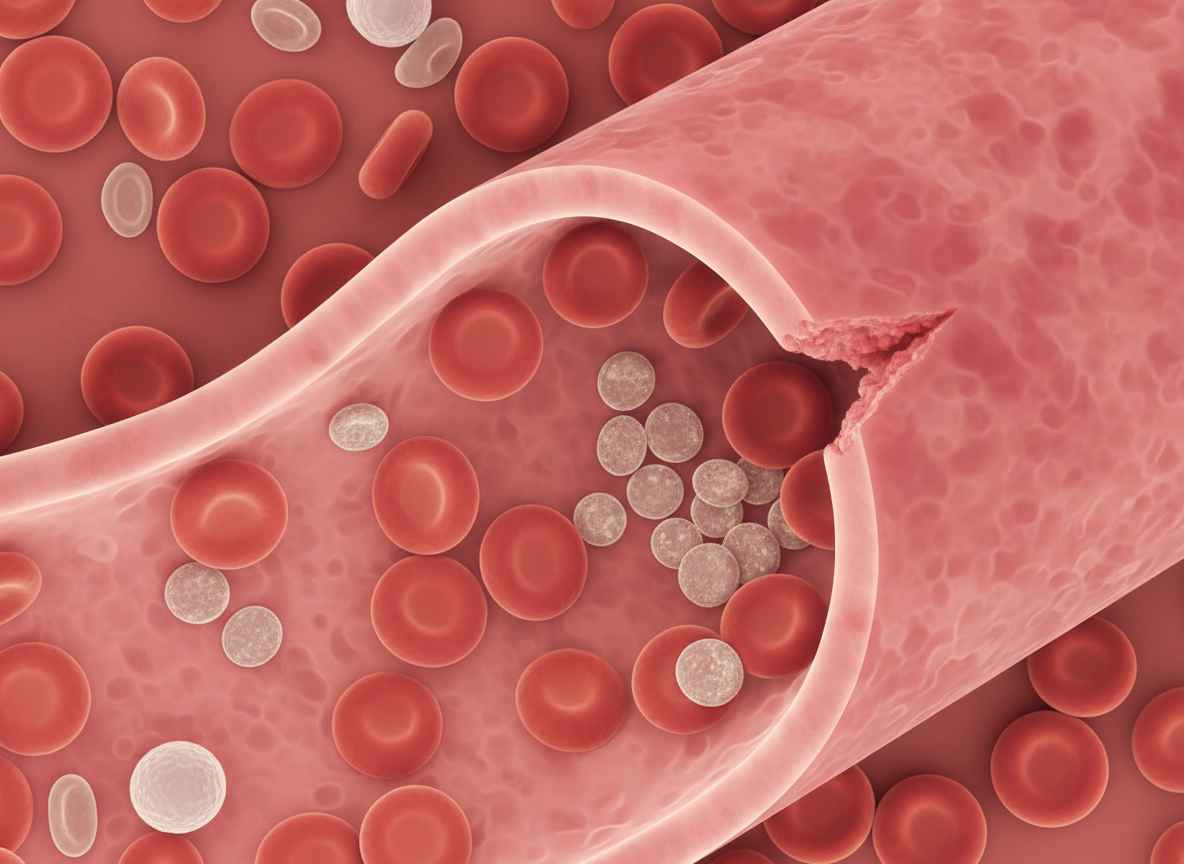
Free Nursing Pharmacology Review Course – Antiplatelet Medications – Section 2.4

Antiplatelet medications play a critical role in preventing heart attacks and strokes, and nurses are often on the front lines of monitoring their safety and effectiveness. In this episode, we break down key agents like aspirin, P2Y12 inhibitors such as clopidogrel, and other commonly used therapies in a clear, practical way. You’ll learn how these medications work, when they’re indicated, and the most important bleeding risks to watch for. We’ll also review monitoring parameters, perioperative considerations, and patient education pearls that can help prevent complications. By the end of this episode, you’ll feel more confident recognizing adverse effects, educating patients, and safely supporting antiplatelet therapy in everyday practice.

Your support helps me provide more free resources like this! Consider supporting and getting more amazing pharmacology content! Head on over to meded101.com/nurse
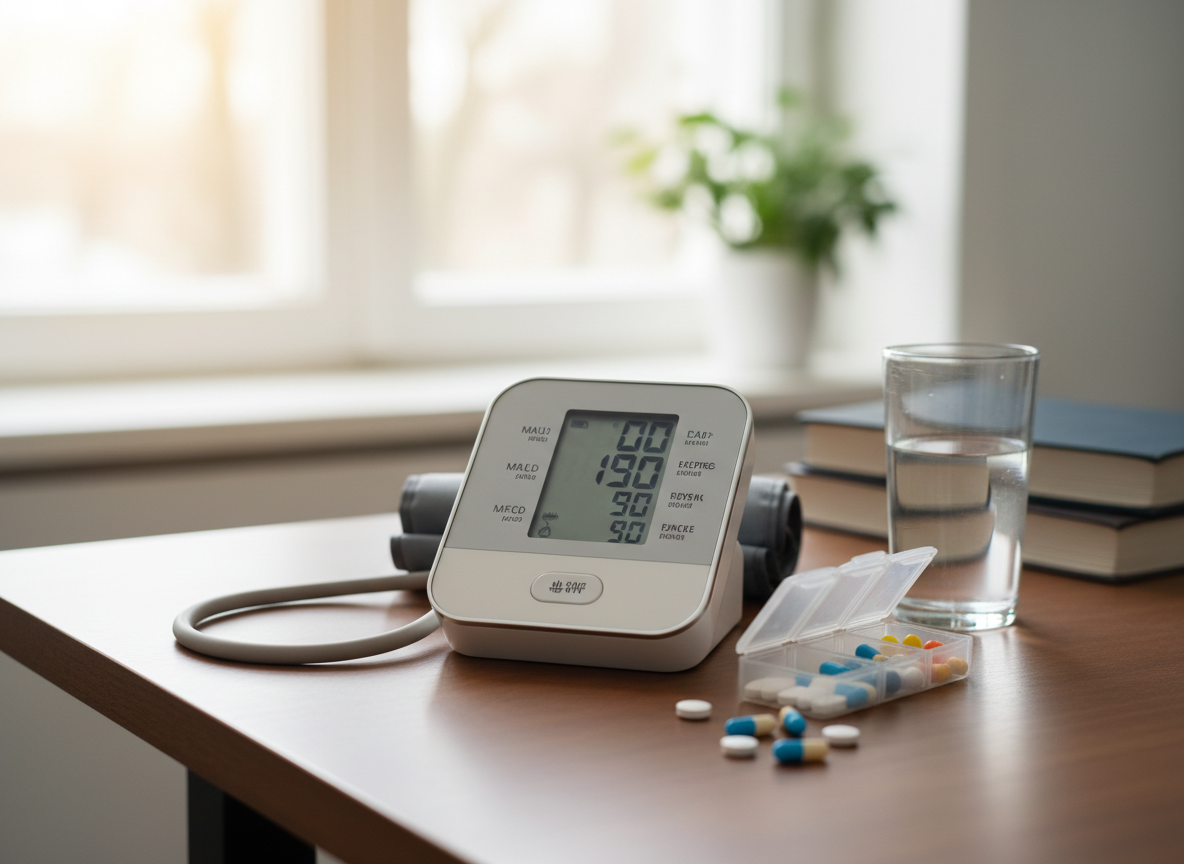
Free Nursing Pharmacology Review Course – Hypertension Medication – Section 2.3

Hypertension medications are a cornerstone of nursing practice, and understanding how they work can dramatically improve patient safety and outcomes. In this episode, we break down the major antihypertensive drug classes, including ACE inhibitors, ARBs, beta blockers, calcium channel blockers, and diuretics, in a practical and easy-to-understand way. You’ll learn how each class lowers blood pressure, key monitoring parameters, common side effects, and important nursing considerations. We’ll also cover when to hold medications, what lab values matter most, and how to educate patients to improve adherence.

Your support helps me provide more free resources like this! Consider supporting and getting more amazing pharmacology content! Head on over to meded101.com/nurse

Free Nursing Pharmacology Review Course – Hypertension Pearls – Section 2.2

Hypertension is one of the most common conditions nurses manage, yet small details can make a big difference in patient outcomes. In this episode, we break down essential hypertension pearls every nurse should know. Whether you’re preparing for exams or caring for patients at the bedside, this episode delivers concise, high-yield strategies to help you manage hypertension with confidence and clarity.

Your support helps me provide more free resources like this! Consider supporting and getting more amazing pharmacology content! Head on over to meded101.com/nurse
Free Nursing Pharmacology Review Course – Autonomic Medications – Section 2.1

Autonomic medications are some of the most commonly used — and commonly tested — drugs in nursing practice. In this episode, we break down the sympathetic and parasympathetic nervous systems in a clear, practical way so you can connect receptors to real-world patient care. We’ll review key drug classes like beta blockers, alpha agonists, anticholinergics, and cholinergic agents, focusing on mechanisms, common indications, and high-yield adverse effects nurses must recognize. You’ll learn how to anticipate vital sign changes, monitor for safety concerns, and avoid common medication errors. Whether you’re preparing for exams or strengthening bedside confidence, this episode will simplify autonomic pharmacology and give you practical pearls you can apply immediately in clinical practice.

Your support helps me provide more free resources like this! Consider supporting and getting more amazing pharmacology content! Head on over to meded101.com/nurse

Free Nursing Pharmacology Review Course – Calculations – Section 1.7

Medication calculations are a foundational nursing skill—and one of the most critical for patient safety. From weight-based dosing and IV drip rates to unit conversions and dose adjustments, small calculation errors can have serious consequences. In this episode, we’ll break down medication calculations in nursing pharmacology with a clear, practical approach focused on real clinical scenarios. Whether you’re building confidence, brushing up for exams, or double-checking bedside math, this discussion reinforces why accuracy, consistency, and critical thinking matter every time a medication is calculated.

Your support helps me provide more free resources like this! Consider supporting and getting more amazing pharmacology content! Head on over to meded101.com/nurse