Infectious Disease Section 5.3- Antifungal Agents

Fungal infections are commonly encountered across healthcare settings, ranging from oral thrush and vaginal yeast infections to serious systemic infections in critically ill patients. In this episode, we’ll review the major antifungal medications nurses should know, including azoles, echinocandins, polyenes, and topical antifungals. We’ll focus on practical nursing considerations such as monitoring for adverse effects, recognizing important drug interactions, administration tips, and patient education points. By the end of the episode, listeners will have a stronger understanding of how antifungal medications work and how nurses play a key role in ensuring safe and effective treatment.

You can find the full 16+ hour nursing pharmacology review course, including PDF handouts, cheat sheets, practice questions, and on-demand videos at meded101.com!

Lotrisone (Clotrimazole/Betamethasone) Pharmacology

Lotrisone is a topical cream that contains a combination of clotrimazole, an antifungal, and betamethasone dipropionate, a corticosteroid.

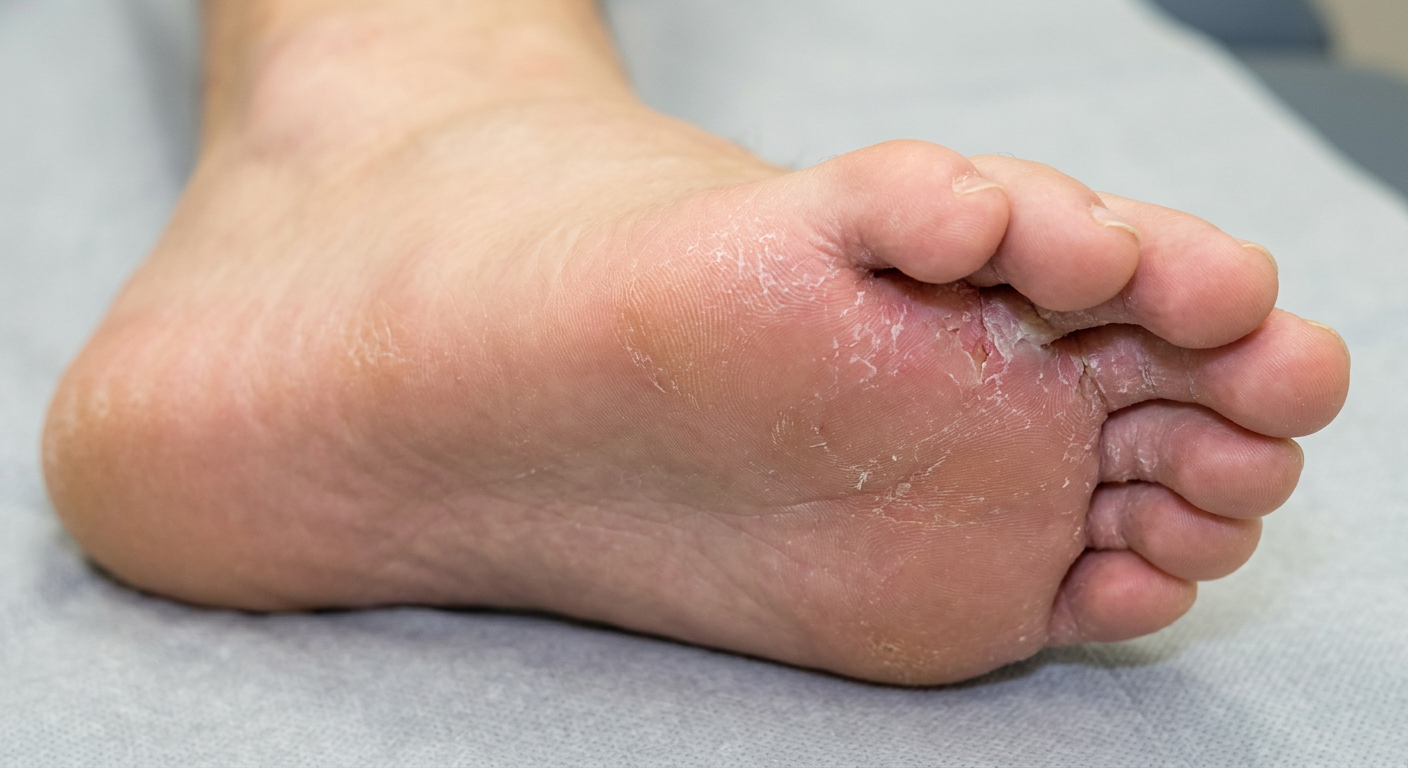
It is used to treat fungal skin infections such as athlete’s foot, jock itch, and ringworm that also involve inflammation or itching.

Clotrimazole works by disrupting the fungal cell membrane, while betamethasone reduces redness, swelling, and itching.

Lotrisone should not be used on the face, groin, or underarms for extended periods due to the risk of skin thinning and other steroid-related side effects.

Be sure to check out our free Top 200 study guide – a 31 page PDF that is yours for FREE!

Support The Podcast and Check Out These Amazing Resources!

NAPLEX Study Materials

BCPS Study Materials

BCACP Study Materials

BCGP Study Materials

BCMTMS Study Materials

Meded101 Guide to Nursing Pharmacology (Amazon Highly Rated)

Guide to Drug Food Interactions (Amazon Best Seller)

Pharmacy Technician Study Guide by Meded101