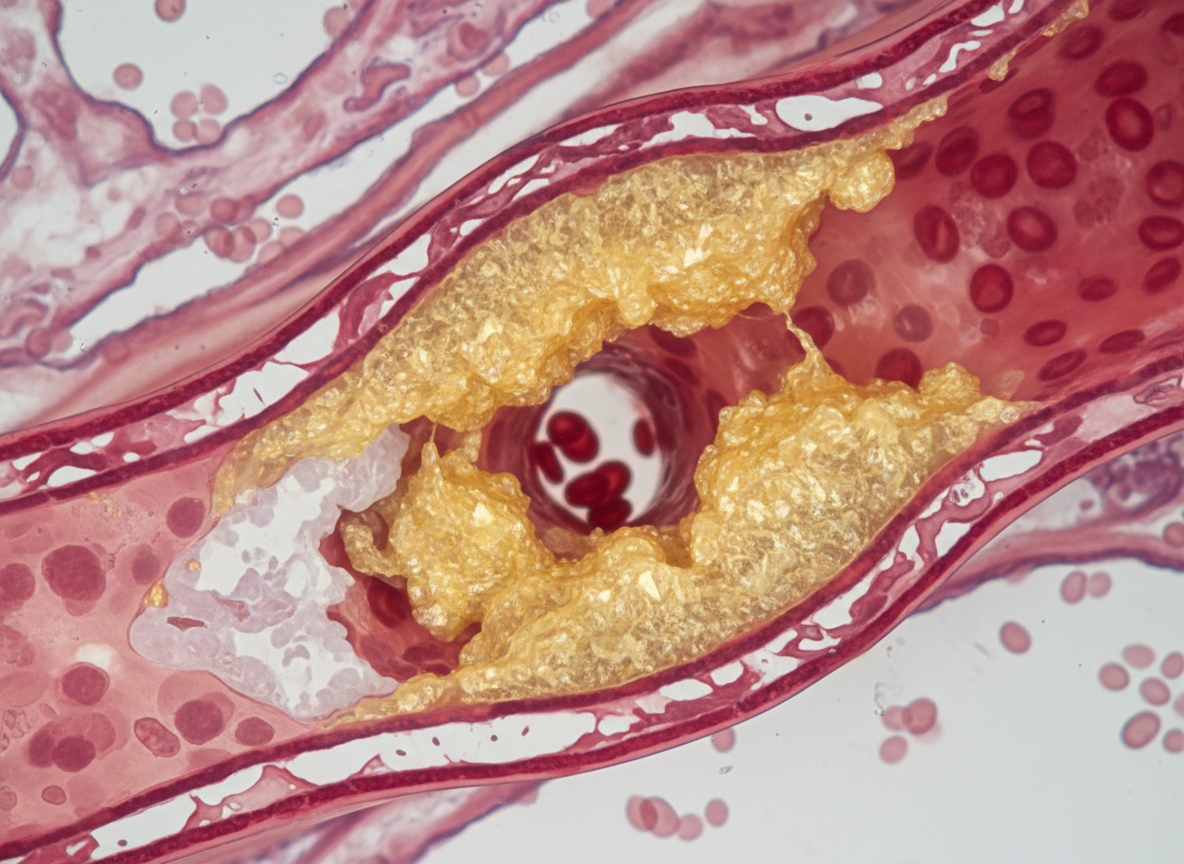
Antiplatelet Agents: P2Y12 Inhibitors – Test Prep and Practice Pearls

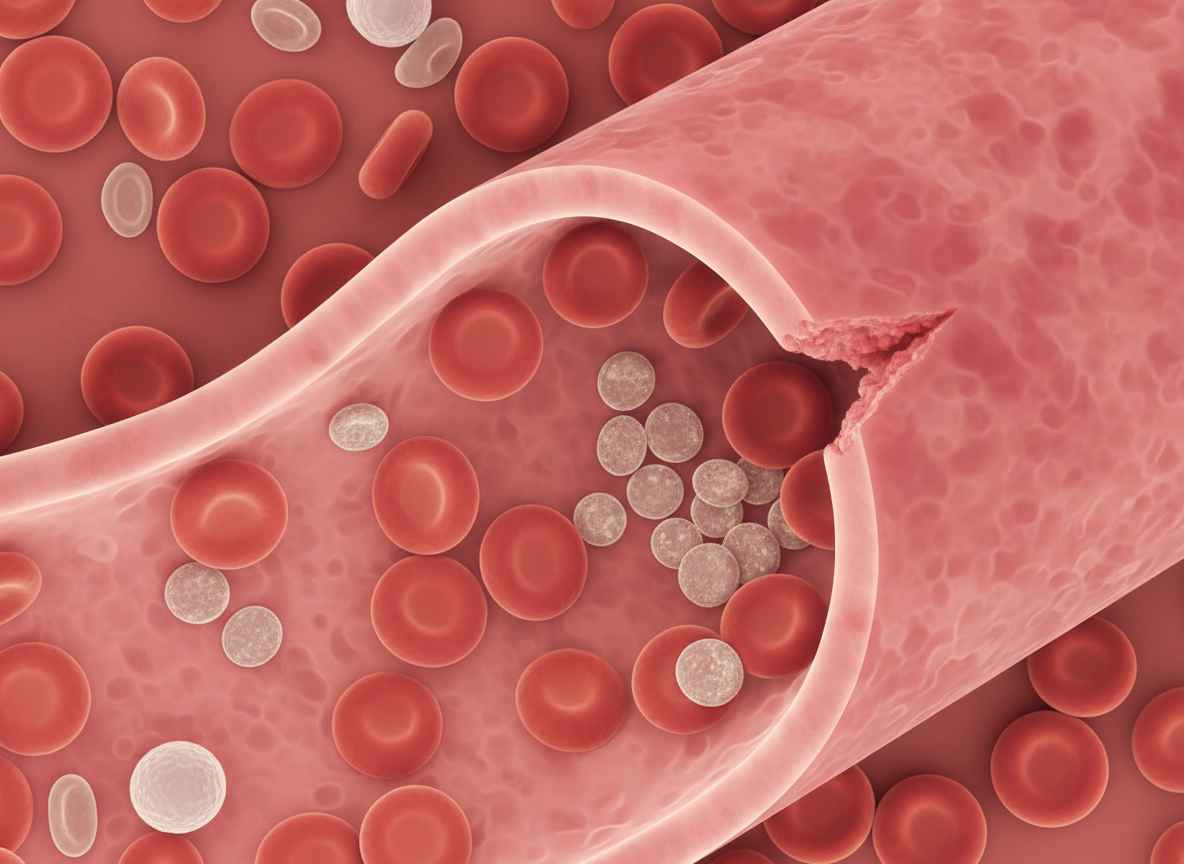
P2Y12 inhibitors are a cornerstone of antiplatelet therapy in cardiovascular disease. These agents block the P2Y12 receptor on platelets, preventing ADP-mediated activation and reducing platelet aggregation. By inhibiting this amplification pathway, they help prevent arterial thrombosis in conditions such as acute coronary syndrome, percutaneous coronary intervention, stroke, and peripheral artery disease. The most commonly used oral agents include clopidogrel, prasugrel, and ticagrelor, each with important pharmacokinetic and clinical differences that influence agent selection.

From a pharmacist’s perspective, choosing the right P2Y12 inhibitor requires balancing ischemic benefit with bleeding risk. Clopidogrel requires CYP2C19 activation and is subject to drug interactions and genetic variability. Prasugrel provides more potent inhibition but carries a higher bleeding risk and is contraindicated in patients with prior stroke or TIA. Ticagrelor offers reversible inhibition but comes with unique considerations such as dyspnea and drug interactions via CYP3A4. Understanding these nuances allows pharmacists to optimize dual antiplatelet therapy and improve patient outcomes.

Be sure to check out our free Top 200 study guide – a 31 page PDF that is yours for FREE!

Support The Podcast and Check Out These Amazing Resources!

NAPLEX Study Materials

BCPS Study Materials

BCACP Study Materials

BCGP Study Materials

BCMTMS Study Materials

Meded101 Guide to Nursing Pharmacology (Amazon Highly Rated)

Guide to Drug Food Interactions (Amazon Best Seller)

Pharmacy Technician Study Guide by Meded101

Free Nursing Pharmacology Review Course – Antiplatelet Medications – Section 2.4

Antiplatelet medications play a critical role in preventing heart attacks and strokes, and nurses are often on the front lines of monitoring their safety and effectiveness. In this episode, we break down key agents like aspirin, P2Y12 inhibitors such as clopidogrel, and other commonly used therapies in a clear, practical way. You’ll learn how these medications work, when they’re indicated, and the most important bleeding risks to watch for. We’ll also review monitoring parameters, perioperative considerations, and patient education pearls that can help prevent complications. By the end of this episode, you’ll feel more confident recognizing adverse effects, educating patients, and safely supporting antiplatelet therapy in everyday practice.

Your support helps me provide more free resources like this! Consider supporting and getting more amazing pharmacology content! Head on over to meded101.com/nurse

Ticagrelor Pharmacology

On this episode, I discuss ticagrelor pharmacology, adverse effects, and important drug interactions.

Ticagrelor has a warning with regards to the use of aspirin. Higher doses of aspirin can impair the effectiveness of ticagrelor and I discuss this further on this episode.

Bleeding is the major adverse effect from ticagrelor and naturally, hematocrit and hemoglobin are important monitoring parameters.

I discuss CYP3A4 drug interactions on this episode and how it may affect ticagrelor.

Be sure to check out our free Top 200 study guide – a 31 page PDF that is yours for FREE!

Support The Podcast and Check Out These Amazing Resources!

NAPLEX Study Materials

BCPS Study Materials

BCACP Study Materials

BCGP Study Materials

BCMTMS Study Materials

Meded101 Guide to Nursing Pharmacology (Amazon Highly Rated)

Guide to Drug Food Interactions (Amazon Best Seller)

Pharmacy Technician Study Guide by Meded101

Esomeprazole (Nexium) Pharmacology

On this episode, I discuss esomeprazole (Nexium) pharmacology, adverse effects, tapering, kinetics, and drug interactions.

I spend a good amount of time discussing the esomeprazole and clopidogrel interaction in this podcast episode.

Esomeprazole inhibits CYP2C19. This can cause an increase in citalopram concentrations and raise the potential for QTc prolongation.

It is critical to reassess the length of therapy and the dose of PPIs like esomeprazole.

Be sure to check out our free Top 200 study guide – a 31 page PDF that is yours for FREE!

Support The Podcast and Check Out These Amazing Resources!

NAPLEX Study Materials

BCPS Study Materials

BCACP Study Materials

BCGP Study Materials

BCMTMS Study Materials

Meded101 Guide to Nursing Pharmacology (Amazon Highly Rated)

Guide to Drug Food Interactions (Amazon Best Seller)

Pharmacy Technician Study Guide by Meded101

Clopidogrel Pharmacology

Clopidogrel is an antiplatelet agent that is often used in combination with aspirin to help reduce the risk of an MI.

The risk of bleed is a high priority with the use of clopidogrel. Patients must be monitored for signs and symptoms of bleeding and bruising.

Clopidogrel is a prodrug that is converted to its active metabolite by CYP2C19.

Fluconazole can inhibit CYP2C19 which may reduce the effectiveness of clopidogrel.

Be sure to check out our free Top 200 study guide – a 31 page PDF that is yours for FREE!