
Podcast: Play in new window | Download (Duration: 22:20 — 20.4MB) | Embed
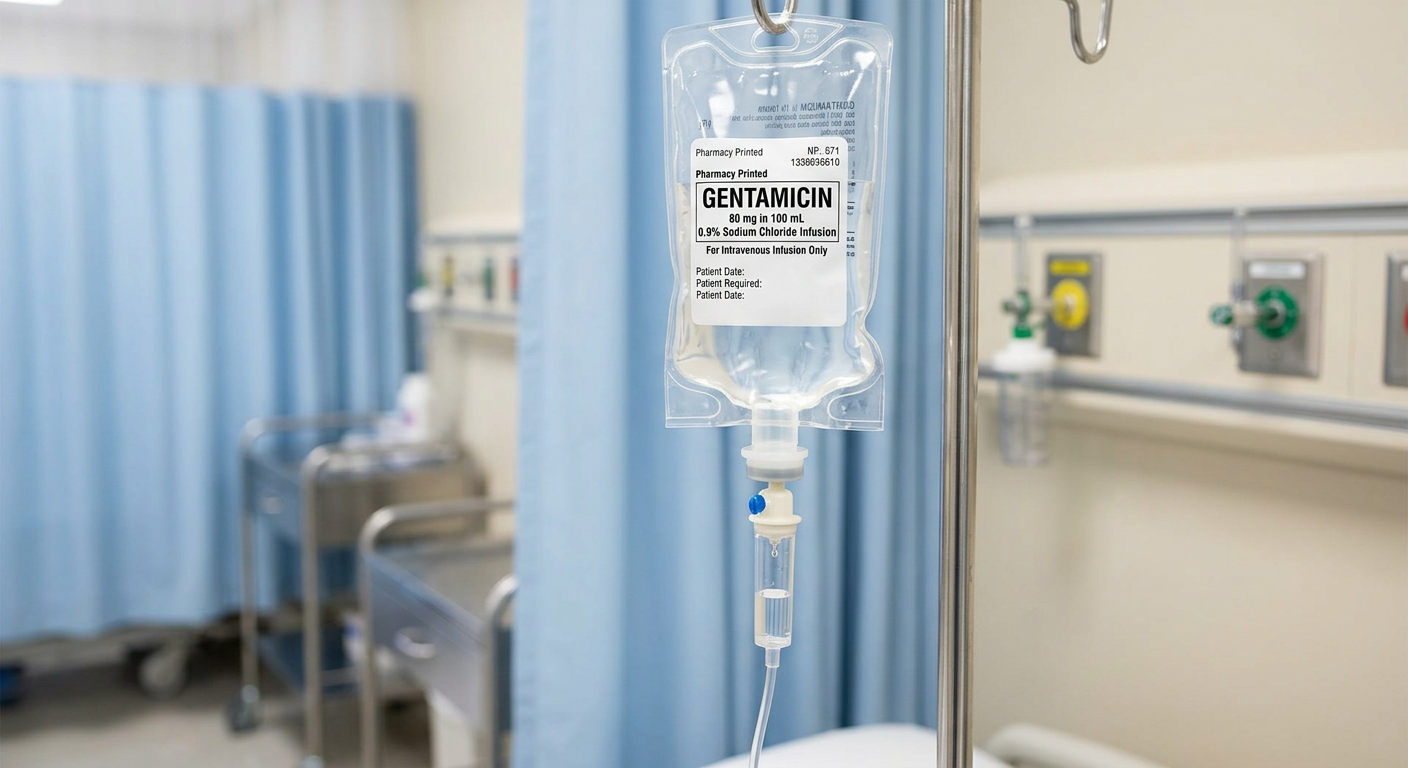
Aminoglycosides are antibiotics used to treat serious Gram-negative infections, but they also come with important safety concerns and unique pharmacokinetic properties that healthcare professionals must understand. In this episode, we’re going to break down the essential clinical pearls surrounding aminoglycosides and how pharmacists and clinicians can use them effectively while minimizing toxicity.
We’ll review the most common agents in this class, including Gentamicin, Tobramycin, and Amikacin, and discuss when these medications are typically used in clinical practice. From severe Gram-negative infections to synergy dosing in conditions like infective endocarditis, aminoglycosides still play a role in antimicrobial therapy.
Another key focus of this episode will be the pharmacology that makes these drugs unique. Aminoglycosides demonstrate concentration-dependent killing and a post-antibiotic effect, which is why strategies like extended-interval dosing and tools such as the Hartford Nomogram are commonly used to guide therapy.
We’ll also cover the major adverse effects, including nephrotoxicity and ototoxicity, and highlight practical monitoring strategies to help reduce these risks. By the end of this episode, you’ll have a clearer understanding of how aminoglycosides work, when they should be used, and the key dosing and monitoring principles that every clinician should know.
Be sure to check out our free Top 200 study guide – a 31 page PDF that is yours for FREE!
Support The Podcast and Check Out These Amazing Resources!
Meded101 Guide to Nursing Pharmacology (Amazon Highly Rated)
Guide to Drug Food Interactions (Amazon Best Seller)