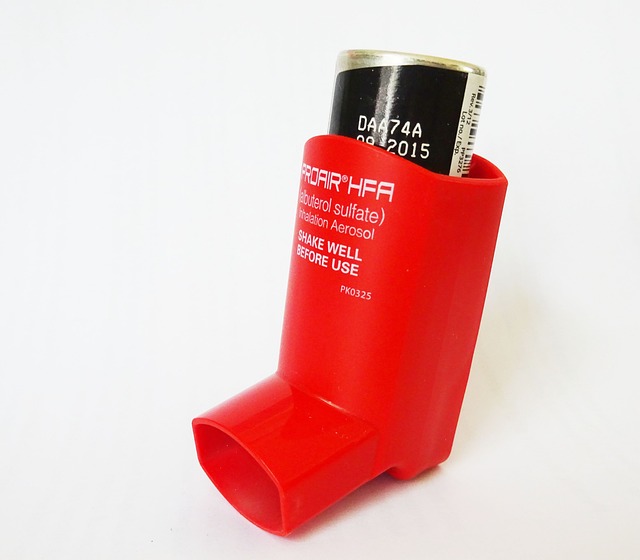
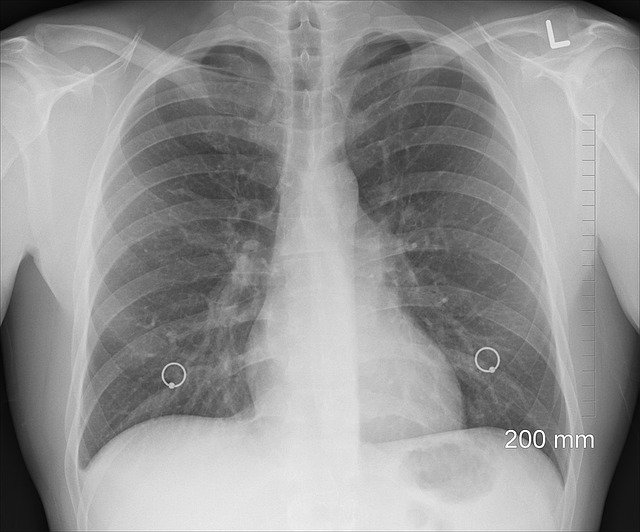
Chronic obstructive pulmonary disease (COPD) is a common chronic respiratory condition that nurses encounter frequently in both inpatient and outpatient settings. Effective pharmacologic management plays a major role in controlling symptoms, preventing exacerbations, and improving quality of life for patients living with COPD. In this episode, we’ll review the key medication classes used to manage COPD and highlight practical clinical considerations nurses should know when caring for these patients.
Asthma is a common chronic respiratory condition that nurses frequently encounter in both outpatient and inpatient settings. Effective medication management is essential for controlling symptoms, preventing exacerbations, and improving long-term respiratory health. In this episode, we’ll review the major medication classes used to manage asthma and highlight key nursing considerations when caring for patients with this condition.
On this very special episode of the Real Life Pharmacology podcast, we tackle asthma pharmacotherapy and some of the things that Beth sees in her everyday practice as an ambulatory care pharmacist.
When discussing asthma pharmacotherapy with pediatric patients and their families, it is critical to address the concern of suppressed growth with corticosteroid use. Beth shares her expertise and thoughts on this topic.
The GINA update a few years ago has been a game changer in asthma, hear from Beth how this has been implemented in her practice.
Beth also discusses some of the everyday drug interactions and adverse effects of asthma medications in this podcast episode.
Neither Beth nor I have any conflicts of interest in regard to discussing these medications.
If you’d like to contact Beth, you can reach out to her at zerr@arizona.edu
Fluticasone, Umeclidinium, and Vilanterol is a combination medication used in the setting of COPD. I discuss the pharmacology of this agent further in this episode.
Fluticasone is the inhaled corticosteroid portion of the drug while umeclidinium is a LAMA and vilanterol is a LABA medication.
Drug interactions aren’t incredibly common or strongly clinically significant, but I discuss some of them with Trelegy Ellipta.
Having a once-daily dose can be advantageous to help improve patient adherence. Fluticasone, umeclidinium, and vilanterol comes as a once-daily combination.