
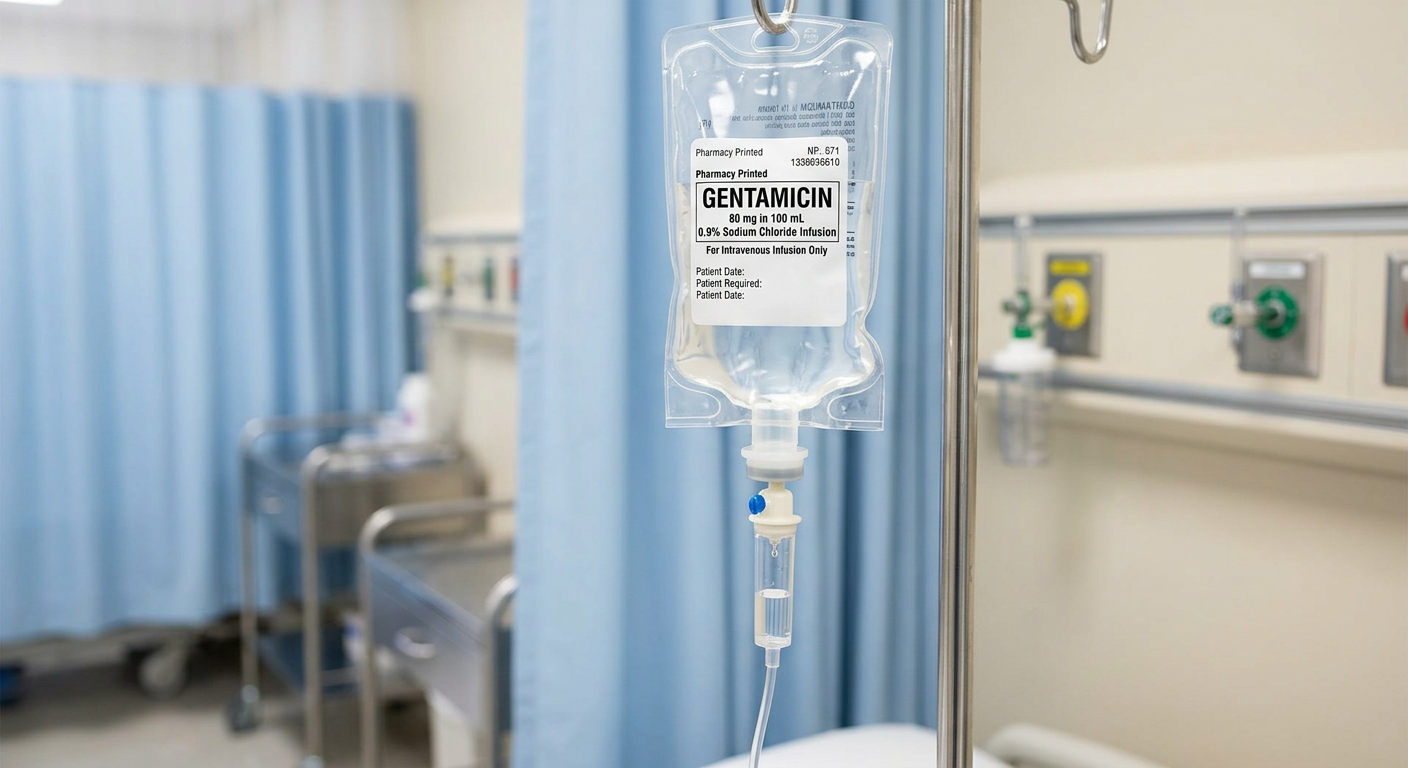
Aminoglycosides Podcast – Pharmacology, Kinetics, Monitoring, and Adverse Effect

Aminoglycosides are antibiotics used to treat serious Gram-negative infections, but they also come with important safety concerns and unique pharmacokinetic properties that healthcare professionals must understand. In this episode, we’re going to break down the essential clinical pearls surrounding aminoglycosides and how pharmacists and clinicians can use them effectively while minimizing toxicity.

We’ll review the most common agents in this class, including Gentamicin, Tobramycin, and Amikacin, and discuss when these medications are typically used in clinical practice. From severe Gram-negative infections to synergy dosing in conditions like infective endocarditis, aminoglycosides still play a role in antimicrobial therapy.

Another key focus of this episode will be the pharmacology that makes these drugs unique. Aminoglycosides demonstrate concentration-dependent killing and a post-antibiotic effect, which is why strategies like extended-interval dosing and tools such as the Hartford Nomogram are commonly used to guide therapy.

We’ll also cover the major adverse effects, including nephrotoxicity and ototoxicity, and highlight practical monitoring strategies to help reduce these risks. By the end of this episode, you’ll have a clearer understanding of how aminoglycosides work, when they should be used, and the key dosing and monitoring principles that every clinician should know.

Be sure to check out our free Top 200 study guide – a 31 page PDF that is yours for FREE!

Support The Podcast and Check Out These Amazing Resources!

NAPLEX Study Materials

BCPS Study Materials

BCACP Study Materials

BCGP Study Materials

BCMTMS Study Materials

Meded101 Guide to Nursing Pharmacology (Amazon Highly Rated)

Guide to Drug Food Interactions (Amazon Best Seller)

Pharmacy Technician Study Guide by Meded101

Vancomycin Podcast – Pharmacology, Adverse Effects, and Monitoring

In this episode, we are going to take a closer look at Vancomycin, one of the most widely used antibiotics in the hospital setting and a medication that pharmacists frequently monitor. Vancomycin is a glycopeptide antibiotic primarily used to treat serious gram-positive infections, including those caused by Methicillin-resistant Staphylococcus aureus (MRSA). Its mechanism of action involves inhibiting bacterial cell wall synthesis by binding to the D-alanine–D-alanine portion of peptidoglycan precursors, which ultimately prevents the bacteria from forming a stable cell wall.

Clinically, vancomycin is commonly used for infections such as bacteremia, endocarditis, osteomyelitis, and severe skin and soft tissue infections when resistant gram-positive organisms are suspected. One of the most important aspects of vancomycin therapy is therapeutic drug monitoring, as maintaining appropriate exposure is critical for both efficacy and safety. Current practice often focuses on achieving target AUC-to-MIC ratios rather than relying solely on trough levels. Pharmacists also play an important role in adjusting doses based on renal function and monitoring for adverse effects.

Two key safety concerns with vancomycin are nephrotoxicity and vancomycin infusion-related reactions such as “red man syndrome,” which is characterized by flushing, rash, and hypotension if the medication is infused too rapidly. Throughout this episode, we will review the pharmacology, monitoring parameters, and clinical pearls that healthcare professionals should understand when managing patients receiving vancomycin therapy.

Be sure to check out our free Top 200 study guide – a 31 page PDF that is yours for FREE!

Support The Podcast and Check Out These Amazing Resources!

NAPLEX Study Materials

BCPS Study Materials

BCACP Study Materials

BCGP Study Materials

BCMTMS Study Materials

Meded101 Guide to Nursing Pharmacology (Amazon Highly Rated)

Guide to Drug Food Interactions (Amazon Best Seller)

Pharmacy Technician Study Guide by Meded101

Free Nursing Pharmacology Review Course – Pharmacokinetics – Section 1.4

Pharmacokinetics explains what the body does to a medication—and for nurses, it’s essential to understanding how and why drugs work differently from one patient to the next. Absorption, distribution, metabolism, and excretion all influence onset, duration, and safety of therapy at the bedside. In this episode, we’ll break down pharmacokinetics with a nursing lens, tying key concepts to real-world scenarios like renal impairment, IV versus oral dosing, and timing of medication administration. The goal is to make pharmacokinetics practical, approachable, and directly relevant to everyday nursing care.

Your support helps me provide more free resources like this! Consider supporting and getting more amazing pharmacology content! Head on over to meded101.com/nurse

Meloxicam Pharmacology Podcast

I discuss meloxicam pharmacology, adverse effects, drug interactions, and much more on this episode of the Real Life Pharmacology Podcast.

Meloxicam tends to have a greater affinity to COX-2 versus COX-1. I discuss what this means clinically on this episode.

Important meloxicam drug interactions include anticoagulants, antiplatelet medications, renal impairing drugs, and lithium amongst others.

Meloxicam has a longer half-life than many NSAIDs and because of this can be dosed once daily for pain relief.

Be sure to check out our free Top 200 study guide – a 31 page PDF that is yours for FREE!

Support The Podcast and Check Out These Amazing Resources!

NAPLEX Study Materials

BCPS Study Materials

BCACP Study Materials

BCGP Study Materials

BCMTMS Study Materials

Meded101 Guide to Nursing Pharmacology (Amazon Highly Rated)

Guide to Drug Food Interactions (Amazon Best Seller)

Pharmacy Technician Study Guide by Meded101

Fosinopril (Monopril) Pharmacology Podcast

On this podcast episode, I discuss fosinopril (Monopril) pharmacology, adverse effects, drug interactions and much more.

Fosinopril is an ACE inhibitor so it should absolutely NOT be used in pregnancy as it poses fetus risks.

Like other ACE inhibitors, hyperkalemia, cough, angioedema, and acute renal failure represent possible risks in using fosinopril.

Drugs that can raise potassium when used in combo with fosinopril include spironolactone, trimethoprim, calcineurin inhibitors, and heparin.

Be sure to check out our free Top 200 study guide – a 31 page PDF that is yours for FREE!

Support The Podcast and Check Out These Amazing Resources!

NAPLEX Study Materials

BCPS Study Materials

BCACP Study Materials

BCGP Study Materials

BCMTMS Study Materials

Meded101 Guide to Nursing Pharmacology (Amazon Highly Rated)

Guide to Drug Food Interactions (Amazon Best Seller)

Pharmacy Technician Study Guide by Meded101