Free Nursing Pharmacology Review Course – DOACs and Warfarin – Section 2.6

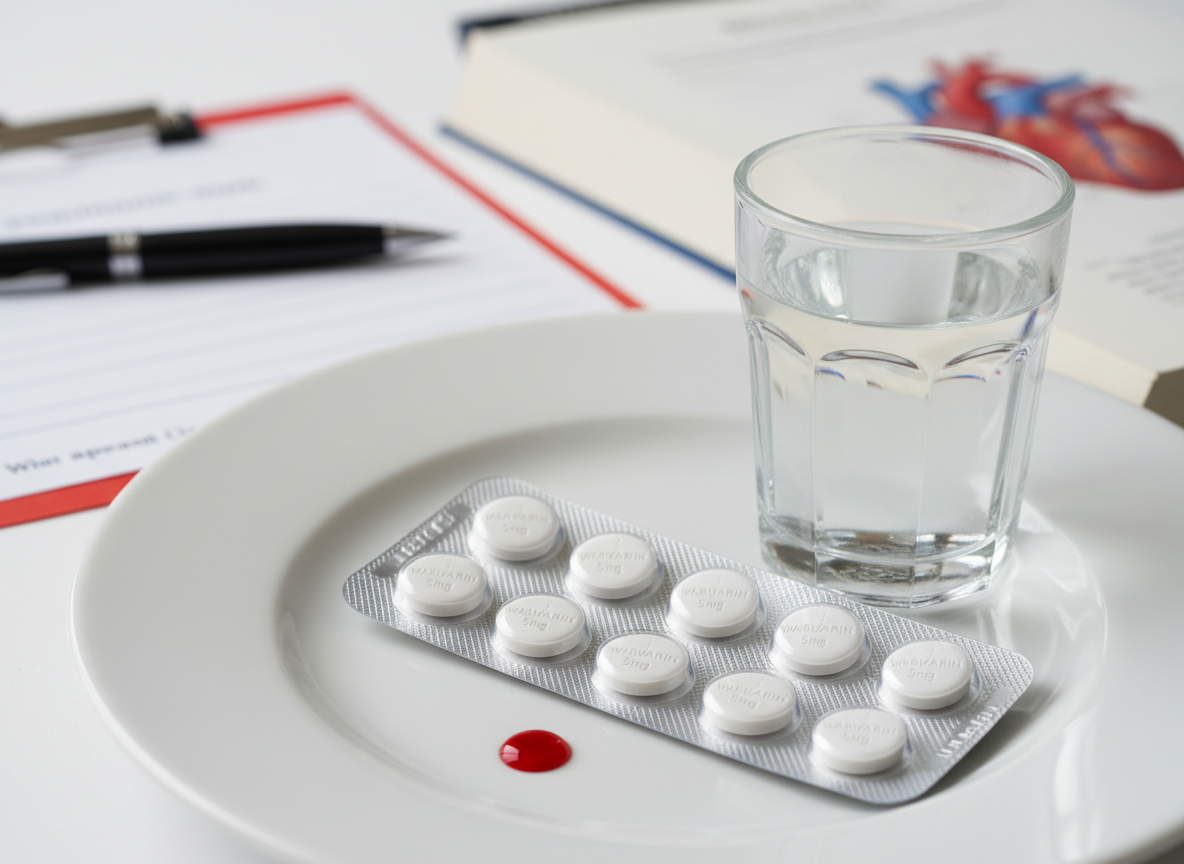
Anticoagulation therapy can feel complex, but nurses play a vital role in keeping patients safe. In this episode, we break down the key differences between warfarin and direct oral anticoagulants (DOACs), including how they work, when they’re used, and what makes each unique. You’ll review important monitoring parameters like INR for warfarin, renal function considerations for DOACs, major drug and food interactions, and bleeding risk assessment. We’ll also cover reversal strategies and practical patient education pearls. Whether you’re preparing for exams or managing patients on anticoagulation, this episode will simplify the essentials and strengthen your confidence in safely caring for patients on warfarin and DOAC therapy.

Your support helps me provide more free resources like this! Consider supporting and getting more amazing pharmacology content! Head on over to meded101.com/nurse
NSAID Drug Interactions

NSAIDs can reduce the effectiveness of antihypertensive medications such as ACE inhibitors, ARBs, beta-blockers, and diuretics by promoting sodium and water retention and decreasing renal blood flow.

Combining NSAIDs with anticoagulants or antiplatelet agents like warfarin or aspirin significantly increases the risk of gastrointestinal bleeding, due to additive effects on platelet inhibition and mucosal irritation.

NSAIDs can elevate lithium levels and increase the risk of toxicity, as they reduce renal clearance of lithium by decreasing renal perfusion.

Co-administration of NSAIDs with methotrexate can impair methotrexate elimination, leading to elevated levels and potential toxicity, especially at high methotrexate doses.

When NSAIDs are used with corticosteroids, the risk of gastrointestinal ulcers and bleeding is greatly amplified due to synergistic impairment of gastric mucosal protection.

Be sure to check out our free Top 200 study guide – a 31 page PDF that is yours for FREE!

Support The Podcast and Check Out These Amazing Resources!

NAPLEX Study Materials

BCPS Study Materials

BCACP Study Materials

BCGP Study Materials

BCMTMS Study Materials

Meded101 Guide to Nursing Pharmacology (Amazon Highly Rated)

Guide to Drug Food Interactions (Amazon Best Seller)

Pharmacy Technician Study Guide by Meded101

Top 10 Anticoagulant Drug Interactions

Today’s sponsor of the Top 10 Anticoagulant Drug Interactions podcast is FreedAI. Freed listens, transcribes, and writes medical documentation for you.

FreedAI is offering a discount exclusive to RLP listeners! Users will get $50 off their first month with Freed! Use the discount code: RLPPOD

Apixaban is one of the most commonly used anticoagulants and there are some drug interactions you need to be aware of. Take a listen and find out!

Warfarin concentrations can substantially be elevated by drugs that inhibit CYP2C9. I cover a few of them in my top 10 anticoagulant drug interactions.

Be sure to check out our free Top 200 study guide – a 31 page PDF that is yours for FREE!

Support The Podcast and Check Out These Amazing Resources!

NAPLEX Study Materials

BCPS Study Materials

BCACP Study Materials

BCGP Study Materials

BCMTMS Study Materials

Meded101 Guide to Nursing Pharmacology (Amazon Highly Rated)

Guide to Drug Food Interactions (Amazon Best Seller)

Pharmacy Technician Study Guide by Meded101