Asthma is a common chronic respiratory condition that nurses frequently encounter in both outpatient and inpatient settings. Effective medication management is essential for controlling symptoms, preventing exacerbations, and improving long-term respiratory health. In this episode, we’ll review the major medication classes used to manage asthma and highlight key nursing considerations when caring for patients with this condition.
On this episode of the Real Life Pharmacology Podcast, I cover albuterol pharmacology, adverse effects, and a rare indication for this classic respiratory medication.
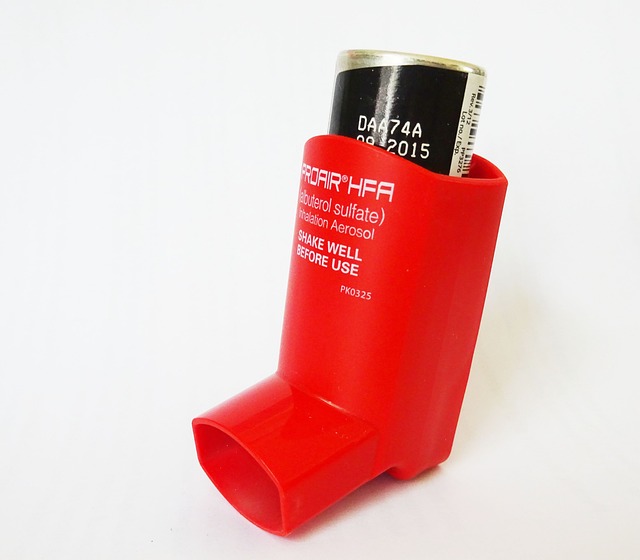
Albuterol is a short-acting beta-2 adrenergic agonist (SABA) that works by stimulating beta-2 receptors in the bronchial smooth muscle. This stimulation activates adenylate cyclase, increases cyclic AMP, and leads to relaxation of airway smooth muscle. The end result is rapid bronchodilation, making albuterol effective for quick relief of acute bronchospasm in conditions such as asthma and COPD.
Common adverse effects occur due to both beta-2 and some unintended beta-1 receptor stimulation. Patients may experience tremors, nervousness, headache, or tachycardia. Higher doses or frequent use can lead to hypokalemia because beta-2 stimulation drives potassium into cells. Some individuals may also report palpitations or feelings of anxiety. These effects are generally mild and transient but can be more pronounced in older adults, those with cardiovascular disease, or when albuterol is used excessively.
Albuterol has several clinically relevant drug interactions. Concomitant use with non-selective beta-blockers (such as propranolol) can blunt its bronchodilatory effect and may precipitate bronchospasm in susceptible individuals. Using albuterol with other sympathomimetics can enhance cardiovascular stimulation, increasing the risk of tachycardia or hypertension. Diuretics, especially loop or thiazide types, may compound albuterol-induced hypokalemia. Additionally, monoamine oxidase inhibitors (MAOIs) or tricyclic antidepressants can potentiate the effects of albuterol and increase the risk of cardiovascular adverse reactions.
Airsupra is a combination inhaler that contains albuterol and budesonide, approved for as-needed use in adults with asthma. It represents the first rescue inhaler to combine a short-acting beta-2 agonist (SABA) with an inhaled corticosteroid (ICS) in a single device. The albuterol component provides rapid bronchodilation by relaxing airway smooth muscle, while budesonide works to reduce airway inflammation and mucus production. This dual mechanism allows Airsupra to not only relieve acute bronchoconstriction but also address the underlying inflammatory process that contributes to asthma exacerbations.
Clinically, Airsupra is indicated for as-needed treatment or prevention of bronchoconstriction in adults with asthma, but it is not approved for COPD. The typical dosing is two inhalations as needed, with a maximum of six doses (12 inhalations) in a 24-hour period.
The rationale for its use aligns with recent asthma guideline updates, which emphasize minimizing SABA-only use because it fails to address inflammation and may contribute to worse outcomes over time.
Common adverse effects include tremor, nervousness, tachycardia, and hypokalemia from albuterol, as well as oral thrush and hoarseness from budesonide. Patients should rinse and spit after each use to reduce the risk of oral candidiasis.
Drug interactions can occur with non-selective beta-blockers, which may blunt albuterol’s effects. CYP3A4 also plays a role in budesonide metabolism. Systemic absorption typically isn’t too much of an issue with infrequent use.
On this very special episode of the Real Life Pharmacology podcast, we tackle asthma pharmacotherapy and some of the things that Beth sees in her everyday practice as an ambulatory care pharmacist.
When discussing asthma pharmacotherapy with pediatric patients and their families, it is critical to address the concern of suppressed growth with corticosteroid use. Beth shares her expertise and thoughts on this topic.
The GINA update a few years ago has been a game changer in asthma, hear from Beth how this has been implemented in her practice.
Beth also discusses some of the everyday drug interactions and adverse effects of asthma medications in this podcast episode.
Neither Beth nor I have any conflicts of interest in regard to discussing these medications.
If you’d like to contact Beth, you can reach out to her at zerr@arizona.edu
On this episode of the podcast, I cover budesonide (Pulmicort) pharmacology. Our sponsor (Pyrls.com/rlp)for this episode is providing a FREE PDF of their inhaled corticosteroid categorizations chart (i.e. low/medium/high dose ICS) when you sign up for a free account!
The onset of action of inhaled budesonide is several hours up to a few days. Patient education is critical to ensure that patients stick with its use.
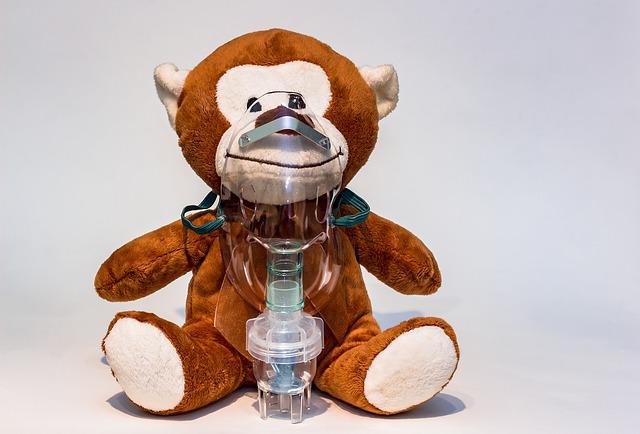
Budesonide does have a nebulized formulation that is often used in pediatrics and geriatrics.
There aren’t a ton of critical drug interactions, but you should think about medications that inhibit CYP3A4 and may have additive immunosuppressive effects.
On this episode, I discuss montelukast pharmacology
Montelukast is a leukotriene receptor antagonist. Leukotrienes play an important role in causing inflammation and smooth muscle contraction in asthma and allergic rhinitis.
Because montelukast blocks the effects of leukotrienes, it can be advantageous to use this medication for allergies and asthma.
It is important to remind patients that montelukast is NOT a substitute for an acute relief medication like albuterol in the management of asthma symptoms.
Montelukast has been reported to cause mood and behavioral changes and it is important to monitor our patients for these rare concerns.