Fibrates – Test Prep and Practice Pearls

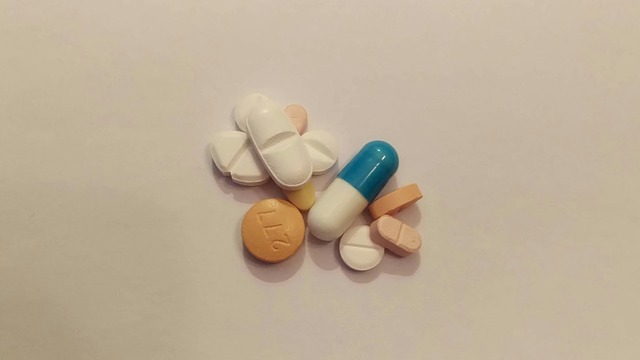
Fibrate derivatives are lipid-lowering medications that primarily target triglycerides rather than LDL cholesterol. Common agents include gemfibrozil, fenofibrate, and fenofibric acid. While their use has declined with the widespread adoption of statins, fibrates remain an important option for patients with severe hypertriglyceridemia, particularly to reduce the risk of acute pancreatitis rather than for routine cardiovascular risk reduction.

Fibrates work by activating PPAR-alpha, which increases lipoprotein lipase activity and enhances the clearance of triglyceride-rich lipoproteins. This leads to significant reductions in triglycerides, modest increases in HDL cholesterol, and variable effects on LDL cholesterol. Because they are not strong LDL-lowering agents, fibrates should not replace statins in patients who require LDL reduction, but they can be effective in select clinical scenarios when triglycerides are the primary concern.

From a safety standpoint, fibrates are generally well tolerated but require careful monitoring. Common concerns include gastrointestinal side effects, liver enzyme elevations, gallstone risk, and muscle toxicity, especially when combined with statins. Gemfibrozil carries a higher risk of drug interactions, while fenofibrate is usually preferred if combination therapy is necessary. Appropriate patient selection, lab monitoring, and lifestyle counseling are essential to maximize benefit and minimize harm when using fibrate derivatives.

Be sure to check out our free Top 200 study guide – a 31 page PDF that is yours for FREE!

Support The Podcast and Check Out These Amazing Resources!

NAPLEX Study Materials

BCPS Study Materials

BCACP Study Materials

BCGP Study Materials

BCMTMS Study Materials

Meded101 Guide to Nursing Pharmacology (Amazon Highly Rated)

Guide to Drug Food Interactions (Amazon Best Seller)

Pharmacy Technician Study Guide by Meded101

Statin Test Prep and Practice Pearls

On this podcast episode, I discuss important practice pearls and important test prep information about statins. Statins are cornerstone agents for ASCVD risk reduction, so test questions often focus on indication, intensity, and monitoring. Health care professionals should quickly identify statin intensity: high-intensity therapy (atorvastatin 40–80 mg, rosuvastatin 20–40 mg) lowers LDL by ~50% and is indicated for patients with clinical ASCVD, LDL ≥190 mg/dL, or high-risk diabetes patients age 40–75. Moderate-intensity statins (e.g., atorvastatin 10–20 mg, simvastatin 20–40 mg) are commonly tested for primary prevention.

Statin-associated muscle symptoms range from myalgias (most common, normal CK) to rare but serious rhabdomyolysis (marked CK elevation and AKI). Risk factors include high doses, advanced age, hypothyroidism, drug interactions, and renal impairment. If muscle symptoms occur, stopping the statin, ruling out secondary causes (like hypothyroidism), and rechallenging with a lower dose or different statin is often the correct clinical approach.

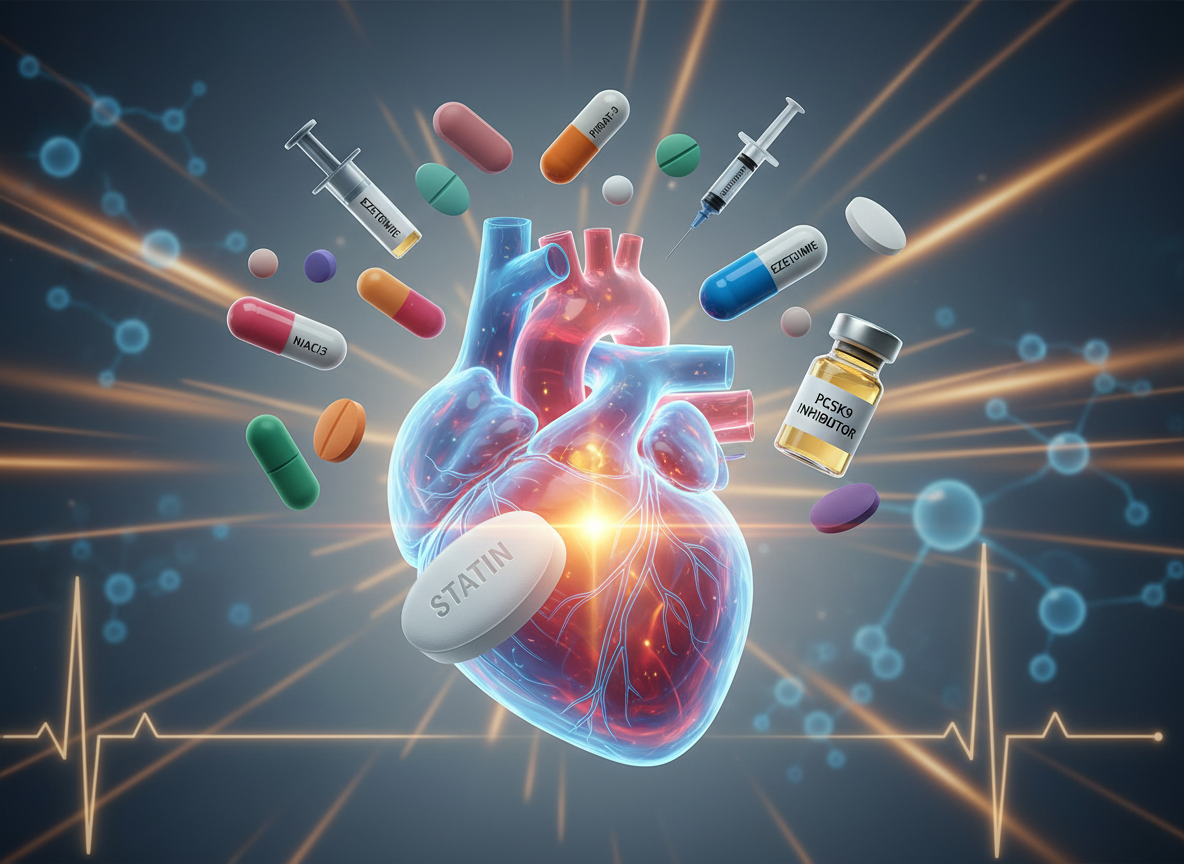
Drug interactions and statin selection frequently separate good from great test-takers. Lipophilic statins (simvastatin, atorvastatin, lovastatin) are more prone to muscle effects and CYP3A4 interactions, while hydrophilic statins (pravastatin, rosuvastatin) are preferred in patients with prior intolerance or complex drug regimens. Grapefruit juice, strong CYP3A4 inhibitors, and certain calcium channel blockers raise simvastatin levels—often prompting dose limits or avoidance on exams. If LDL goals aren’t met, adding ezetimibe or a PCSK9 inhibitor is the next evidence-based step.

Be sure to check out our free Top 200 study guide – a 31 page PDF that is yours for FREE!

Support The Podcast and Check Out These Amazing Resources!

NAPLEX Study Materials

BCPS Study Materials

BCACP Study Materials

BCGP Study Materials

BCMTMS Study Materials

Meded101 Guide to Nursing Pharmacology (Amazon Highly Rated)

Guide to Drug Food Interactions (Amazon Best Seller)
Pharmacy Technician Study Guide by Meded101

Fenofibrate Pharmacology Podcast Episode 310

On this podcast episode, I discuss fenofibrate pharmacology, adverse effects, kinetics, drug interactions, and much more!

Fenofibrate is typically only used for hypertriglyceridemia. The primary risk of hypertriglyceridemia is pancreatitis so we treat these levels because of this risk.

LFTs elevation has been associated with fenofibrate use as well as myopathy. In the presence of myopathy, checking CPK may be considered.

Fenofibrate is a weak CYP2C9 inhibitor. Warfarin and phenytoin are two important medications that may be affected by the use of fenofibrate.

Be sure to check out our free Top 200 study guide – a 31 page PDF that is yours for FREE!

Support The Podcast and Check Out These Amazing Resources!

NAPLEX Study Materials

BCPS Study Materials

BCACP Study Materials

BCGP Study Materials

BCMTMS Study Materials

Meded101 Guide to Nursing Pharmacology (Amazon Highly Rated)

Guide to Drug Food Interactions (Amazon Best Seller)
Pharmacy Technician Study Guide by Meded101

Fluvastatin Pharmacolgy Podcast

On this podcast episode, I discuss fluvastatin pharmacology, adverse effects, pharmacokinetics, and much more.

Fluvastatin is only a low to moderate-intensity statin which explains its limited use compared to rosuvastatin or atorvastatin.

I discuss drug interactions in the podcast but one important one to recognize is drugs that can inhibit CYP2C9.

Fluvastatin is considered a lipophilic statin. I have previously discussed this on the Meded101 blog which you can find here.

Be sure to check out our free Top 200 study guide – a 31 page PDF that is yours for FREE!

Support The Podcast and Check Out These Amazing Resources!

NAPLEX Study Materials

BCPS Study Materials

BCACP Study Materials

BCGP Study Materials

BCMTMS Study Materials

Meded101 Guide to Nursing Pharmacology (Amazon Highly Rated)

Guide to Drug Food Interactions (Amazon Best Seller)
Pharmacy Technician Study Guide by Meded101

Lovastatin Pharmacology Podcast

On this episode of the Real Life Pharmacology Podcast, I discuss lovastatin pharmacology, adverse effect, drug interactions, and more!

Lovastatin is broken down by CYP3A4 so drugs like clarithromycin, diltiazem, and others may increase concentrations.

Lovastatin is a lipophilic statin and I discuss the importance of this on the podcast.

Lovastatin has a very short half-life which means that it is ideal to dose this medication at night for maximal efficacy.

Be sure to check out our free Top 200 study guide – a 31 page PDF that is yours for FREE!

Support The Podcast and Check Out These Amazing Resources!

NAPLEX Study Materials

BCPS Study Materials

BCACP Study Materials

BCGP Study Materials

BCMTMS Study Materials

Meded101 Guide to Nursing Pharmacology (Amazon Highly Rated)

Guide to Drug Food Interactions (Amazon Best Seller)
Pharmacy Technician Study Guide by Meded101

Niacin Pharmacology Podcast

On this podcast episode, I discuss niacin pharmacology, adverse effects, drug interactions, and much more.

Niacin has historically been used to manage lipids but has fallen out of favor due to adverse effects, and newer, more effective therapies being developed.

Niacin can elevate uric acid. Be sure to use this medication cautiously in patients with gout.

Flushing is one of the most common adverse effects of niacin. High doses, immediate-release formulations, and the use of alcohol can increase the risk.

Be sure to check out our free Top 200 study guide – a 31 page PDF that is yours for FREE!

Support The Podcast and Check Out These Amazing Resources!

NAPLEX Study Materials

BCPS Study Materials

BCACP Study Materials

BCGP Study Materials

BCMTMS Study Materials

Meded101 Guide to Nursing Pharmacology (Amazon Highly Rated)

Guide to Drug Food Interactions (Amazon Best Seller)

Pharmacy Technician Study Guide by Meded101

Pravastatin Pharmacology

On this episode, I breakdown pravastatin pharmacology, adverse effects, drug interactions and when you might see this drug used in practice.

Pravastatin is a statin and will lower LDL. Its use is a little limited in the fact that it is not as potent as other agents in its LDL lowering effects.

Pravastatin is hydrophilic which differentiates it from simvastatin, atorvastatin, and lovastatin.

I describe rhabdomyolysis in this podcast as it is a potential rare adverse effect of pravastatin.

Be sure to check out our free Top 200 study guide – a 31 page PDF that is yours for FREE!

Support The Podcast and Check Out These Amazing Resources!

NAPLEX Study Materials

BCPS Study Materials

BCACP Study Materials

BCGP Study Materials

BCMTMS Study Materials

Meded101 Guide to Nursing Pharmacology (Amazon Highly Rated)

Guide to Drug Food Interactions (Amazon Best Seller)
Pharmacy Technician Study Guide by Meded101

Atorvastatin Pharmacology

On this episode, I discuss atorvastatin pharmacology, adverse effects, monitoring parameters, and drug interactions.

Atorvastatin (Lipitor) is an HMG-CoA reductase inhibitor, the rate-limiting step in the production of cholesterol. It is used to prevent atherosclerotic cardiovascular diseases by decreasing cholesterol.

Atorvastatin is more lipophilic in comparison to other statins such as rosuvastatin. If a patient does not tolerate a statin, switching from a lipophilic to a hydrophilic or vice versa may decrease the chances of those side effects reoccurring.

It can be a high-intensity statin depending on the dose. 10-20mg is considered moderate and 40-80mg is classified as high intensity. Not all statins can reach high-intensity doses, which is why atorvastatin is so commonly used.            

The FDA as of July 2021, has requested to remove the contraindication of pregnancy from the prescribing information. Here’s more information on that specific change and why it was requested. I’d encourage you to read it. 

Atorvastatin is commonly found to have adherence issues so it should be taken whenever it is going to be best remembered by the patient.

Common adverse effects include myopathy, muscle pain, and soreness. Many elderly patients can be overlooked when they experience aches and pains, so it is important to take their medications into consideration. There are rare risks of liver injury and rhabdomyolysis. CPK and LFTs do not need to be regularly monitored if no symptoms are present.  

Remind patients that their cholesterol will not be lowered right away. They will usually have their levels rechecked in 3-6 months.

Drugs that increase rhabdomyolysis risk when used concurrently include fibrates, red yeast rice, niacin, daptomycin. Monitor these patients closely for symptoms of muscle pain. Can also monitor CPK and decrease the dose of the statin in these patients. 3A4 interactions can increase the concentration of statins. These include clarithromycin, grapefruit juice, amiodarone, amantadine, and verapamil. 3A4 inducers can decrease the concentration of statins. These include St. John’s Wort and carbamazepine. 

Be sure to check out our free Top 200 study guide – a 31 page PDF that is yours for FREE!

Support The Podcast and Check Out These Amazing Resources!

NAPLEX Study Materials

BCPS Study Materials

BCACP Study Materials

BCGP Study Materials

BCMTMS Study Materials

Meded101 Guide to Nursing Pharmacology (Amazon Highly Rated)

Guide to Drug Food Interactions (Amazon Best Seller)

Pharmacy Technician Study Guide by Meded101

Simvastatin Pharmacology

Simvastatin use has declined over time due to more potent statins being available and due to numerous drug interactions.

Grapefruit juice can inhibit CYP3A4 which will increase the concentrations of simvastatin.

Genetic variations in SLCO1B1 can lead to patients being more susceptible to simvastatin toxicity.

Simvastatin is a lipophilic statin. I discuss why this is important and how it might impact clinical decisions.

I discuss important drug interactions on the podcast, be sure to check out my latest project which is a 200+ page book on managing drug interactions in primary care.

Be sure to check out our free Top 200 study guide – a 31 page PDF that is yours for FREE!

Colestipol Pharmacology

Colestipol is a bile acid sequestrant that can be used in the management of hyperlipidemia.

By binding bile acid in the gut, colestipol can lower LDL that is bound to bile acid by eliminating it through the feces.

Numerous drug interactions existed as colestipol can bind many drugs. This is a downside to its use and why it isn’t a preferred hyperlipidemia agent.

In patients with elevated triglycerides, colestipol should be avoided.

I discuss important drug interactions on the podcast, be sure to check out my latest project which is a 200+ page book on managing drug interactions in primary care.