
Free Nursing Pharmacology Review Course – Autonomic Medications – Section 2.1

Autonomic medications are some of the most commonly used — and commonly tested — drugs in nursing practice. In this episode, we break down the sympathetic and parasympathetic nervous systems in a clear, practical way so you can connect receptors to real-world patient care. We’ll review key drug classes like beta blockers, alpha agonists, anticholinergics, and cholinergic agents, focusing on mechanisms, common indications, and high-yield adverse effects nurses must recognize. You’ll learn how to anticipate vital sign changes, monitor for safety concerns, and avoid common medication errors. Whether you’re preparing for exams or strengthening bedside confidence, this episode will simplify autonomic pharmacology and give you practical pearls you can apply immediately in clinical practice.

Your support helps me provide more free resources like this! Consider supporting and getting more amazing pharmacology content! Head on over to meded101.com/nurse

Ezetimibe and PCSK-9 Inhibitors – Cholesterol Test Prep and Practice Pearls

In this pharmacology podcast episode, we focus on two key non-statin cholesterol-lowering therapies: ezetimibe and PCSK9 inhibitors (Click here to listen to the statin podcast episode). These agents play a role in lipid management, particularly for patients who are unable to reach LDL cholesterol goals with statins alone or who have statin intolerance.

Ezetimibe works by inhibiting the absorption of dietary and biliary cholesterol at the brush border of the small intestine. By reducing the amount of cholesterol delivered to the liver, ezetimibe lowers circulating LDL cholesterol by approximately 15 to 25 percent. It is taken orally once daily and is commonly used as add-on therapy to statins in patients with established atherosclerotic cardiovascular disease or high baseline LDL levels. Ezetimibe is generally well tolerated, with a favorable safety profile and minimal systemic exposure, making it an attractive option in older adults and patients with multiple comorbidities.

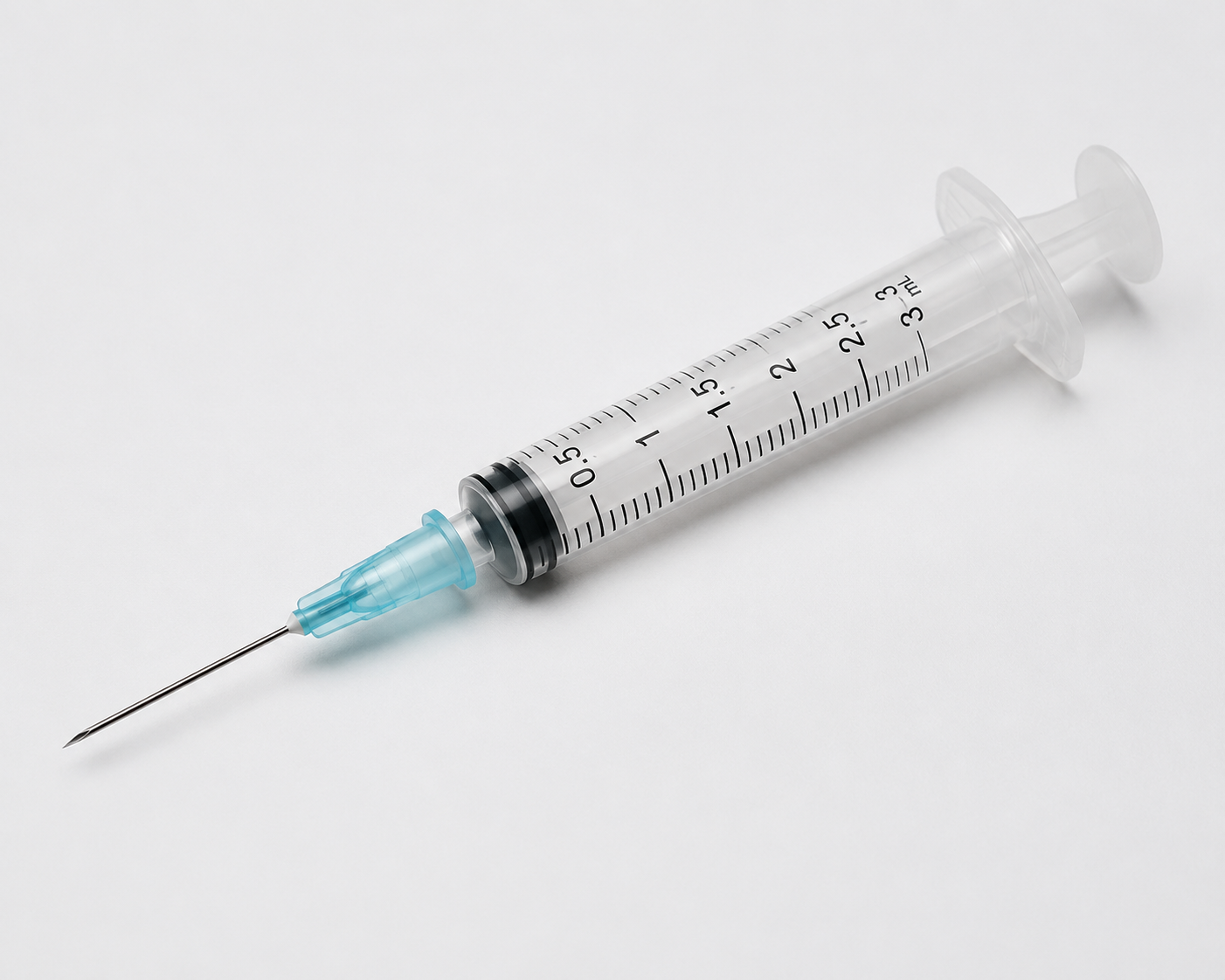
PCSK9 inhibitors, including alirocumab and evolocumab, offer a much more potent LDL-lowering effect. These monoclonal antibodies work by blocking PCSK9, a protein that promotes degradation of LDL receptors in the liver. By preserving LDL receptors, PCSK9 inhibitors enhance clearance of LDL cholesterol from the bloodstream, often reducing LDL levels by 50 to 60 percent. They are administered via subcutaneous injection every two to four weeks and are most commonly used in patients with familial hypercholesterolemia, established cardiovascular disease, or persistently elevated LDL despite maximally tolerated statin and ezetimibe therapy.

Be sure to check out our free Top 200 study guide – a 31 page PDF that is yours for FREE!

Support The Podcast and Check Out These Amazing Resources!

NAPLEX Study Materials

BCPS Study Materials

BCACP Study Materials

BCGP Study Materials

BCMTMS Study Materials

Meded101 Guide to Nursing Pharmacology (Amazon Highly Rated)

Guide to Drug Food Interactions (Amazon Best Seller)

Pharmacy Technician Study Guide by Meded101

Fibrates – Test Prep and Practice Pearls

Fibrate derivatives are lipid-lowering medications that primarily target triglycerides rather than LDL cholesterol. Common agents include gemfibrozil, fenofibrate, and fenofibric acid. While their use has declined with the widespread adoption of statins, fibrates remain an important option for patients with severe hypertriglyceridemia, particularly to reduce the risk of acute pancreatitis rather than for routine cardiovascular risk reduction.

Fibrates work by activating PPAR-alpha, which increases lipoprotein lipase activity and enhances the clearance of triglyceride-rich lipoproteins. This leads to significant reductions in triglycerides, modest increases in HDL cholesterol, and variable effects on LDL cholesterol. Because they are not strong LDL-lowering agents, fibrates should not replace statins in patients who require LDL reduction, but they can be effective in select clinical scenarios when triglycerides are the primary concern.

From a safety standpoint, fibrates are generally well tolerated but require careful monitoring. Common concerns include gastrointestinal side effects, liver enzyme elevations, gallstone risk, and muscle toxicity, especially when combined with statins. Gemfibrozil carries a higher risk of drug interactions, while fenofibrate is usually preferred if combination therapy is necessary. Appropriate patient selection, lab monitoring, and lifestyle counseling are essential to maximize benefit and minimize harm when using fibrate derivatives.

Be sure to check out our free Top 200 study guide – a 31 page PDF that is yours for FREE!

Support The Podcast and Check Out These Amazing Resources!

NAPLEX Study Materials

BCPS Study Materials

BCACP Study Materials

BCGP Study Materials

BCMTMS Study Materials

Meded101 Guide to Nursing Pharmacology (Amazon Highly Rated)

Guide to Drug Food Interactions (Amazon Best Seller)

Pharmacy Technician Study Guide by Meded101

Statin Test Prep and Practice Pearls

On this podcast episode, I discuss important practice pearls and important test prep information about statins. Statins are cornerstone agents for ASCVD risk reduction, so test questions often focus on indication, intensity, and monitoring. Health care professionals should quickly identify statin intensity: high-intensity therapy (atorvastatin 40–80 mg, rosuvastatin 20–40 mg) lowers LDL by ~50% and is indicated for patients with clinical ASCVD, LDL ≥190 mg/dL, or high-risk diabetes patients age 40–75. Moderate-intensity statins (e.g., atorvastatin 10–20 mg, simvastatin 20–40 mg) are commonly tested for primary prevention.

Statin-associated muscle symptoms range from myalgias (most common, normal CK) to rare but serious rhabdomyolysis (marked CK elevation and AKI). Risk factors include high doses, advanced age, hypothyroidism, drug interactions, and renal impairment. If muscle symptoms occur, stopping the statin, ruling out secondary causes (like hypothyroidism), and rechallenging with a lower dose or different statin is often the correct clinical approach.

Drug interactions and statin selection frequently separate good from great test-takers. Lipophilic statins (simvastatin, atorvastatin, lovastatin) are more prone to muscle effects and CYP3A4 interactions, while hydrophilic statins (pravastatin, rosuvastatin) are preferred in patients with prior intolerance or complex drug regimens. Grapefruit juice, strong CYP3A4 inhibitors, and certain calcium channel blockers raise simvastatin levels—often prompting dose limits or avoidance on exams. If LDL goals aren’t met, adding ezetimibe or a PCSK9 inhibitor is the next evidence-based step.

Be sure to check out our free Top 200 study guide – a 31 page PDF that is yours for FREE!

Support The Podcast and Check Out These Amazing Resources!

NAPLEX Study Materials

BCPS Study Materials

BCACP Study Materials

BCGP Study Materials

BCMTMS Study Materials

Meded101 Guide to Nursing Pharmacology (Amazon Highly Rated)

Guide to Drug Food Interactions (Amazon Best Seller)

Pharmacy Technician Study Guide by Meded101

Free Nursing Pharmacology Review Course – Calculations – Section 1.7

Medication calculations are a foundational nursing skill—and one of the most critical for patient safety. From weight-based dosing and IV drip rates to unit conversions and dose adjustments, small calculation errors can have serious consequences. In this episode, we’ll break down medication calculations in nursing pharmacology with a clear, practical approach focused on real clinical scenarios. Whether you’re building confidence, brushing up for exams, or double-checking bedside math, this discussion reinforces why accuracy, consistency, and critical thinking matter every time a medication is calculated.

Your support helps me provide more free resources like this! Consider supporting and getting more amazing pharmacology content! Head on over to meded101.com/nurse

Free Nursing Pharmacology Review Course – Routes of Administration – Section 1.6

The route of administration can change everything about how a medication works—from how fast it takes effect to how safe and effective it is for a specific patient. For nurses, choosing and administering the correct route is a critical clinical responsibility that directly affects outcomes. In this episode, we’ll explore common routes of administration in nursing pharmacology, including oral, IV, subcutaneous, topical, and inhaled therapies. We’ll discuss when and why certain routes are preferred, common pitfalls to avoid, and how nursing judgment plays a key role in safe medication delivery.

Your support helps me provide more free resources like this! Consider supporting and getting more amazing pharmacology content! Head on over to meded101.com/nurse

Free Nursing Pharmacology Review Course – Dosage Forms – Section 1.5

Dosage forms are more than just pills and injections—they directly impact how medications work, how quickly they act, and how safely they’re used. For nurses, understanding the differences between tablets, liquids, injectables, patches, and modified-release products is critical to proper administration and patient education. In this episode, we’ll explore common dosage forms in nursing pharmacology, why they matter, and how choosing—or administering—the wrong form can lead to errors or reduced effectiveness. This discussion connects dosage form basics to real bedside decisions nurses make every day.

Your support helps me provide more free resources like this! Consider supporting and getting more amazing pharmacology content! Head on over to meded101.com/nurse

Free Nursing Pharmacology Review Course – Pharmacokinetics – Section 1.4

Pharmacokinetics explains what the body does to a medication—and for nurses, it’s essential to understanding how and why drugs work differently from one patient to the next. Absorption, distribution, metabolism, and excretion all influence onset, duration, and safety of therapy at the bedside. In this episode, we’ll break down pharmacokinetics with a nursing lens, tying key concepts to real-world scenarios like renal impairment, IV versus oral dosing, and timing of medication administration. The goal is to make pharmacokinetics practical, approachable, and directly relevant to everyday nursing care.

Your support helps me provide more free resources like this! Consider supporting and getting more amazing pharmacology content! Head on over to meded101.com/nurse

Free Nursing Pharmacology Review Course – Pharmacodynamics – Section 1.3

This is section 1.3 of the nearly 20-hour Nursing Pharmacology Review Course from Meded101! Enjoy!

Pharmacodynamics is the “why” behind what medications do in the body—and for nurses, understanding it is key to safe and effective patient care. From receptor binding and dose–response relationships to therapeutic effects and adverse reactions, pharmacodynamics helps explain how medications produce both benefit and harm. In this episode, we’ll break down pharmacodynamics in a practical, nurse-focused way, connecting core concepts to real bedside decisions. Whether you’re titrating a medication, monitoring for side effects, or educating patients, this discussion will help you see how pharmacodynamics guides everyday nursing practice.

Find access to the review course at meded101.com/nurse

Free Nursing Pharmacology Review Course – Ethical Considerations – Section 1.2

This is section 1.2 of the Nursing Pharmacology Review Course From Meded101.

Every medication decision carries ethical weight, and nurses are often at the center of those moments. From advocating for patient autonomy and informed consent to navigating high-risk medications, resource limitations, and end-of-life care, nurses face ethical challenges in pharmacology every day. In this episode, we’ll explore the ethical considerations that shape nursing pharmacology practice, including safety, accountability, equity, and professional judgment.

Find access to the review course at meded101.com/nurse