
Podcast: Play in new window | Download (Duration: 19:16 — 17.6MB) | Embed
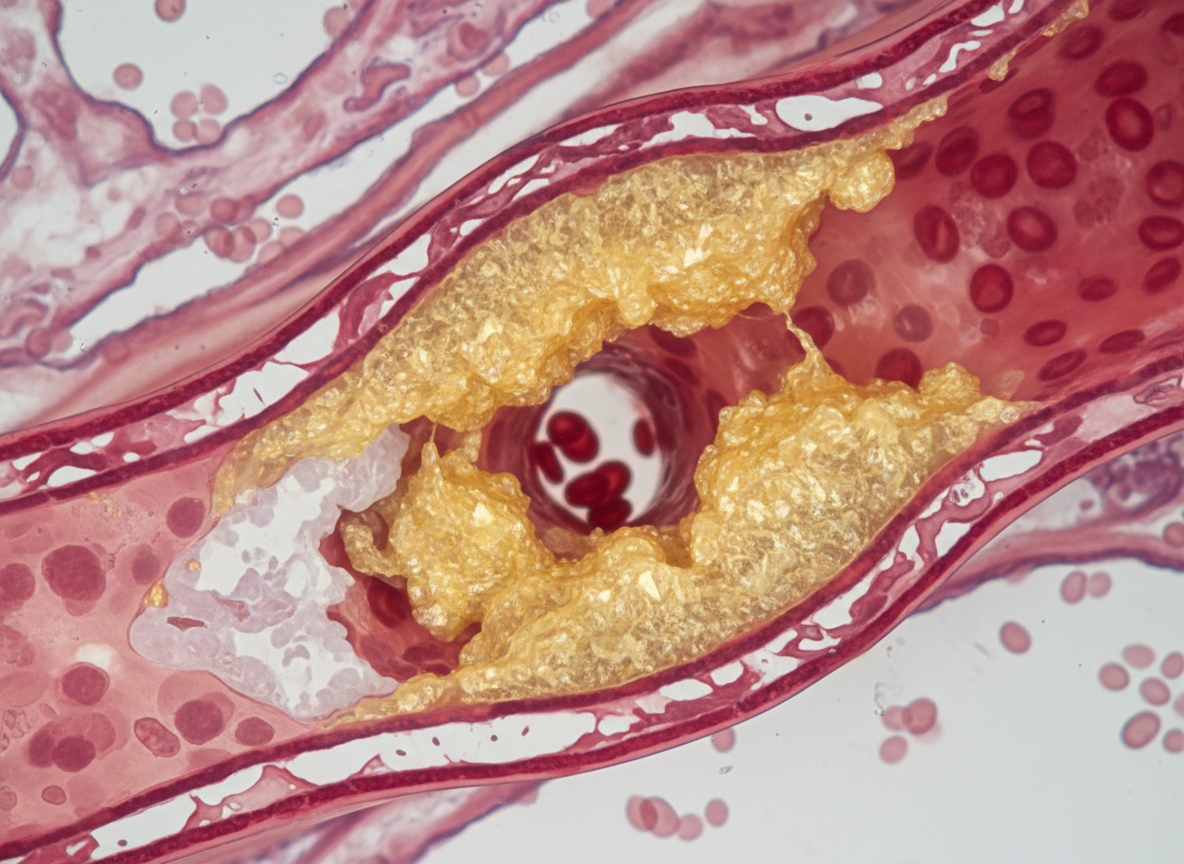
P2Y12 inhibitors are a cornerstone of antiplatelet therapy in cardiovascular disease. These agents block the P2Y12 receptor on platelets, preventing ADP-mediated activation and reducing platelet aggregation. By inhibiting this amplification pathway, they help prevent arterial thrombosis in conditions such as acute coronary syndrome, percutaneous coronary intervention, stroke, and peripheral artery disease. The most commonly used oral agents include clopidogrel, prasugrel, and ticagrelor, each with important pharmacokinetic and clinical differences that influence agent selection.
From a pharmacist’s perspective, choosing the right P2Y12 inhibitor requires balancing ischemic benefit with bleeding risk. Clopidogrel requires CYP2C19 activation and is subject to drug interactions and genetic variability. Prasugrel provides more potent inhibition but carries a higher bleeding risk and is contraindicated in patients with prior stroke or TIA. Ticagrelor offers reversible inhibition but comes with unique considerations such as dyspnea and drug interactions via CYP3A4. Understanding these nuances allows pharmacists to optimize dual antiplatelet therapy and improve patient outcomes.
Be sure to check out our free Top 200 study guide – a 31 page PDF that is yours for FREE!
Support The Podcast and Check Out These Amazing Resources!
Meded101 Guide to Nursing Pharmacology (Amazon Highly Rated)
Guide to Drug Food Interactions (Amazon Best Seller)